Derived Play: Backstage Leak Hunt
Derived play: productivity-visual / service-design QA game Asset type: public gallery image for GPT Image 2 derived-play research...
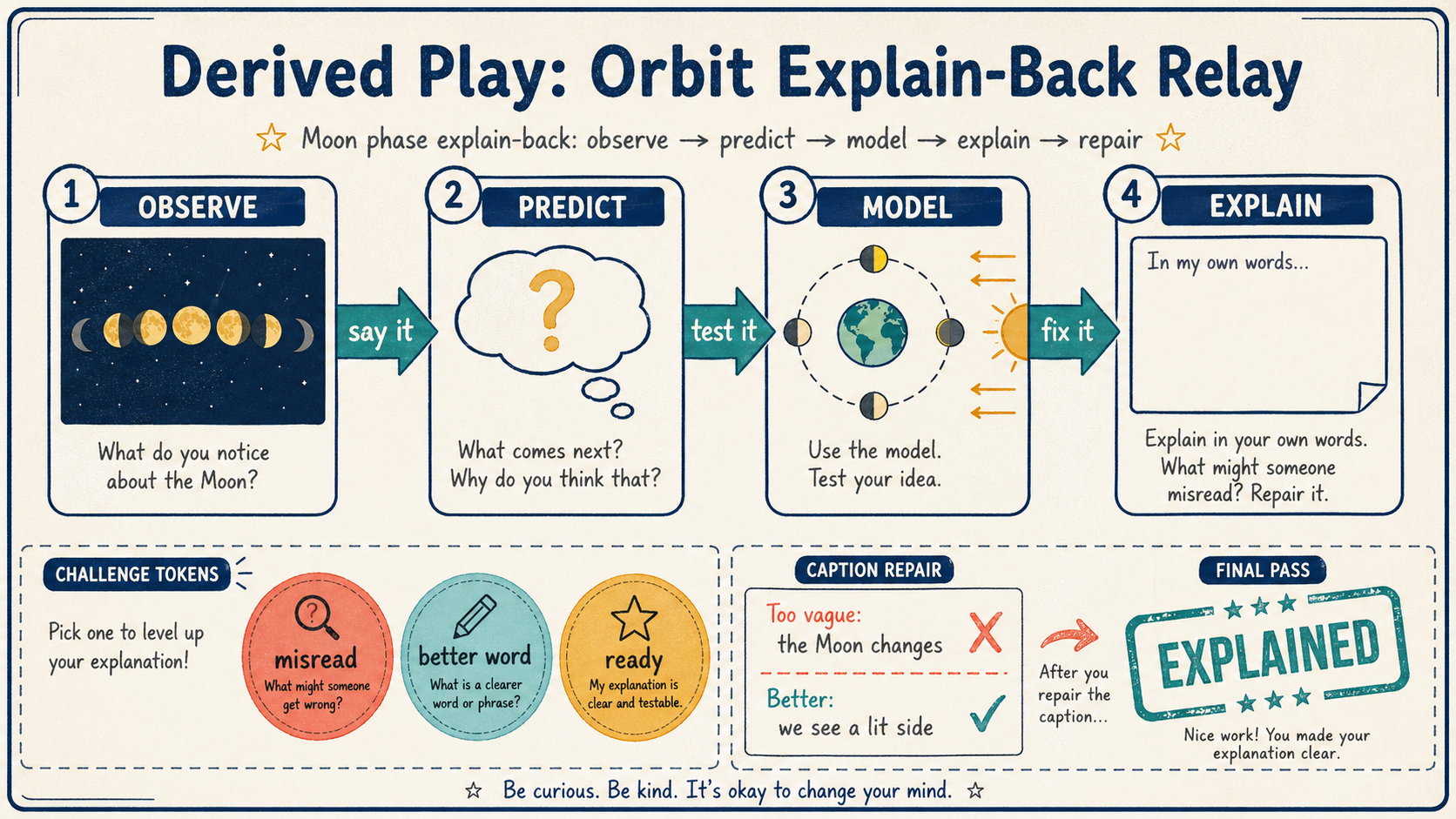
从 Moon Misconception Clinic 派生出的课堂概念回讲玩法:学习者沿 Observe、Predict、Model、Explain 四张视觉卡说出、测试并修复自己的月相解释,把含糊 caption 改成更清楚的可回讲句子。
Use this as a reference for Caption Repair, Classroom Station, Derived Play, Education workflows, prompt structure, visual constraints, and output review.
Create one polished public-gallery concept image titled exactly "Derived Play: Orbit Explain-Back Relay".

Use case: derived play mechanic / classroom concept-check game / education visual QA.
Asset type: landscape 16:9 printable classroom station mat for a GPT Image 2 gallery.

Primary request: Derive a playable classroom activity from Moon Misconception Clinic. Learners use generated astronomy visual cards to explain a concept in their own words, identify one likely misconception, and repair a caption. This must be a classroom station mat, not a dashboard, not a data chart, not a map, not a menu, not signage, not a comic strip, and not a tabletop product photograph.

Fictional lesson only: "Moon phase explain-back". Keep it low-stakes and simplified; the goal is visual reasoning and caption repair, not authoritative textbook instruction.

Composition: a horizontal station mat with a flowing path of four large flat visual cards: "Observe", "Predict", "Model", "Explain". Each card has a simple icon-like astronomy thumbnail: night-sky moon sequence, prediction bubble, Earth-Moon-Sun circles, and a blank explanation note. Between cards, show arrow lanes labeled "say it", "test it", "fix it". Add a small challenge strip at the bottom with three tokens rendered as printed circles, not physical game pieces: "misread", "better word", "ready". Include a caption repair box with readable short text: "Too vague: the Moon changes" and "Better: we see a lit side". Include a final pass stamp: "EXPLAINED".

Visual style: polished educational game mat, crisp flat print design with warm white paper, midnight blue line art, amber moon accents, teal path arrows, coral correction marks, and graphite text. Use subtle paper grain and exact spacing. It should be playful but professional, suitable for public gallery inspection and printable classroom use. Keep all text short and legible.

Show the derived play clearly: image generation becomes a repeatable explain-back relay where students arrange, speak, test, and repair a visual explanation.

Safety and originality constraints: fictional classroom material only; no real students, no real teachers, no faces, no real school names, no brands, no logos, no public figures, no politics/elections/parties, no medical/legal claims, no hazardous instructions, no adult or explicit content, no gore, no celebrity likeness, no copyrighted characters, no living-artist style imitation. Do not copy any external prompt, classroom image, article figure, product UI, source image, artwork, chart, or protected style.
Source note: Original fictional classroom explain-back relay generated locally after external source sweep. Sources informed abstract education-gallery metadata, teacher workflow structure, differentiated visual support patterns, astronomy-visual evaluation, and motionboard sequencing only; no external prompt text, image, article figure, product UI, school material, brand, character, artwork, protected style, or source image was reused.
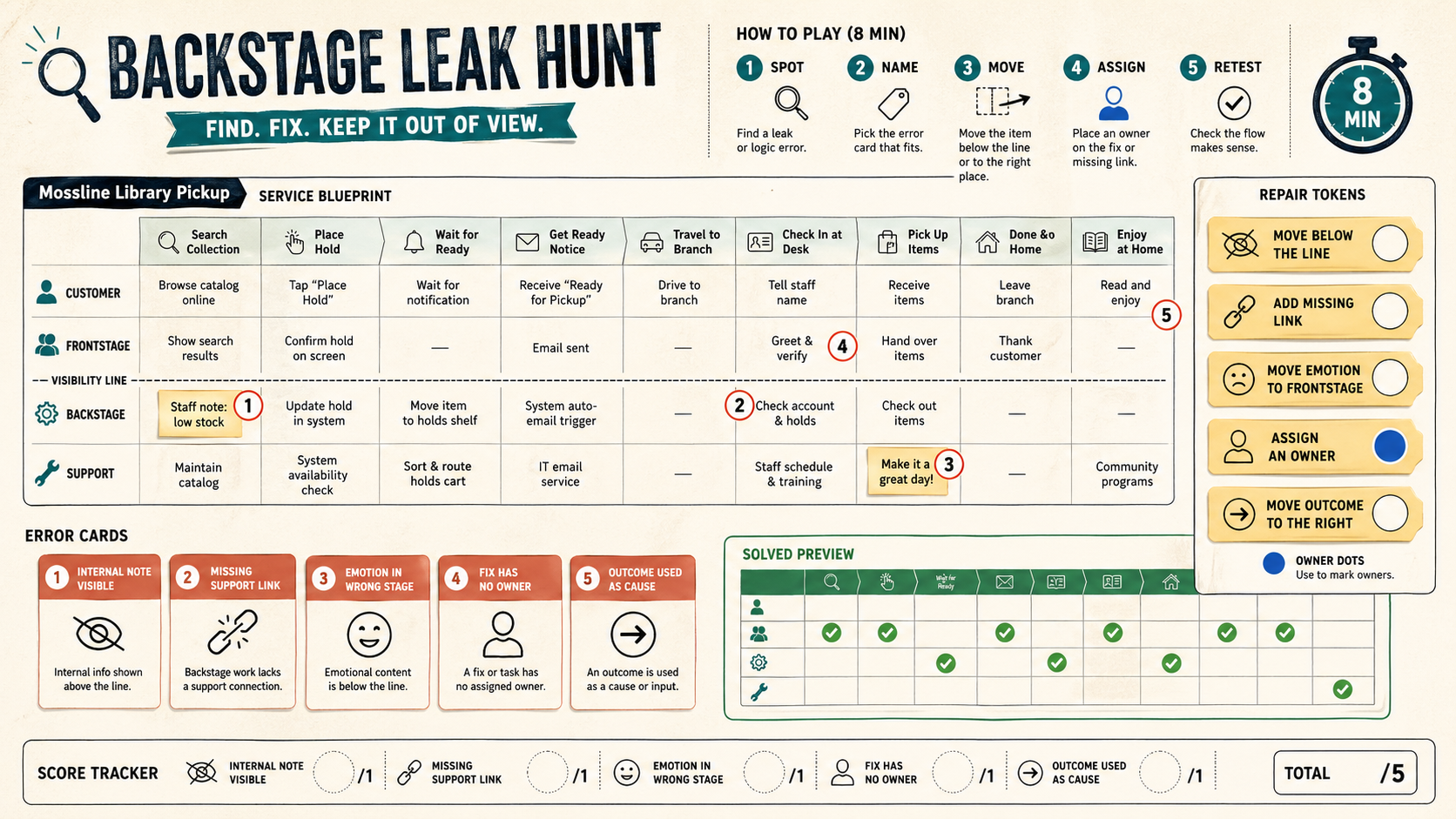
Derived play: productivity-visual / service-design QA game Asset type: public gallery image for GPT Image 2 derived-play research...
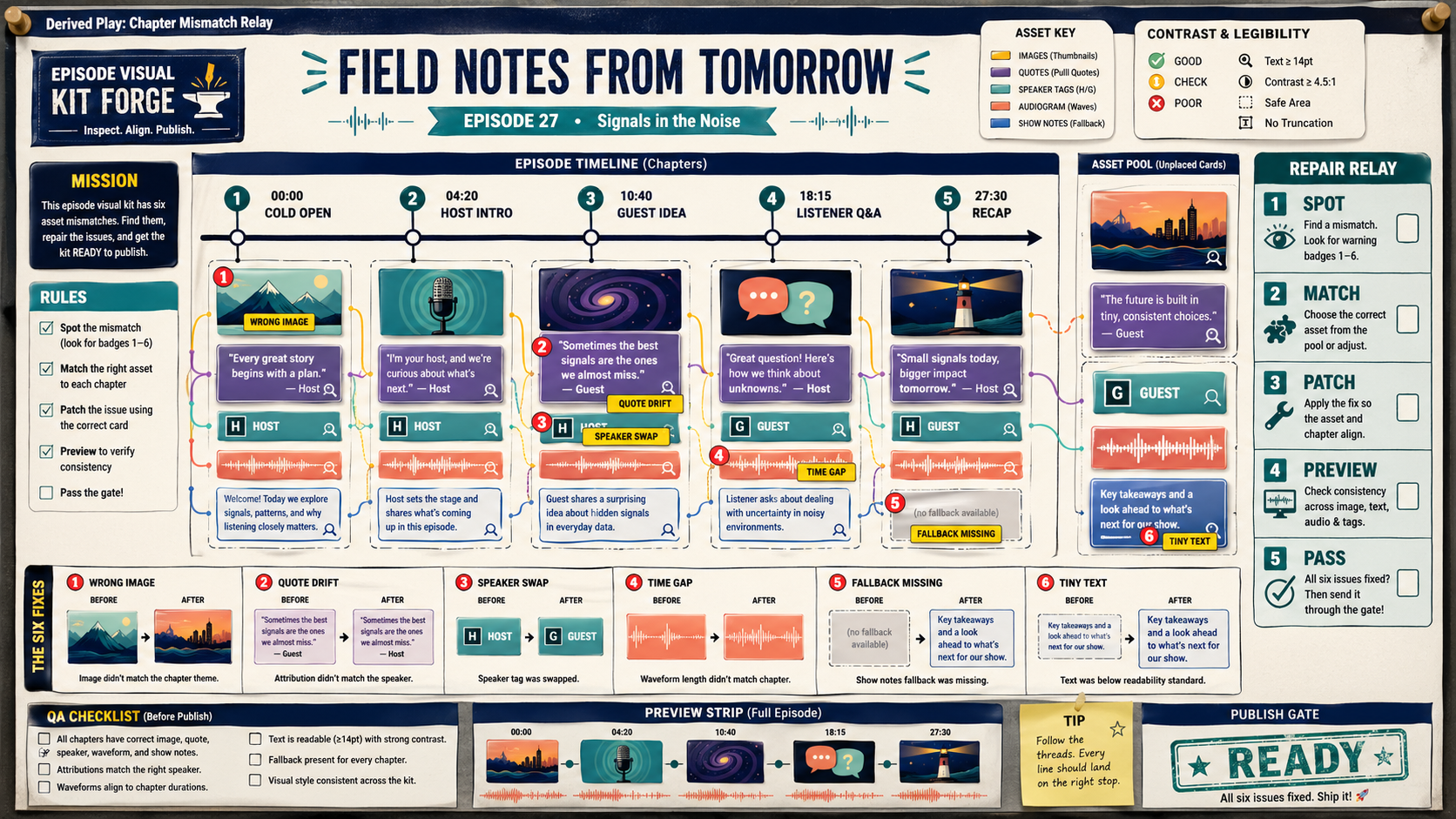
Create a wide 16:9 playable QA puzzle sheet titled in small clear text "Derived Play: Chapter Mismatch Relay". It is derived from...
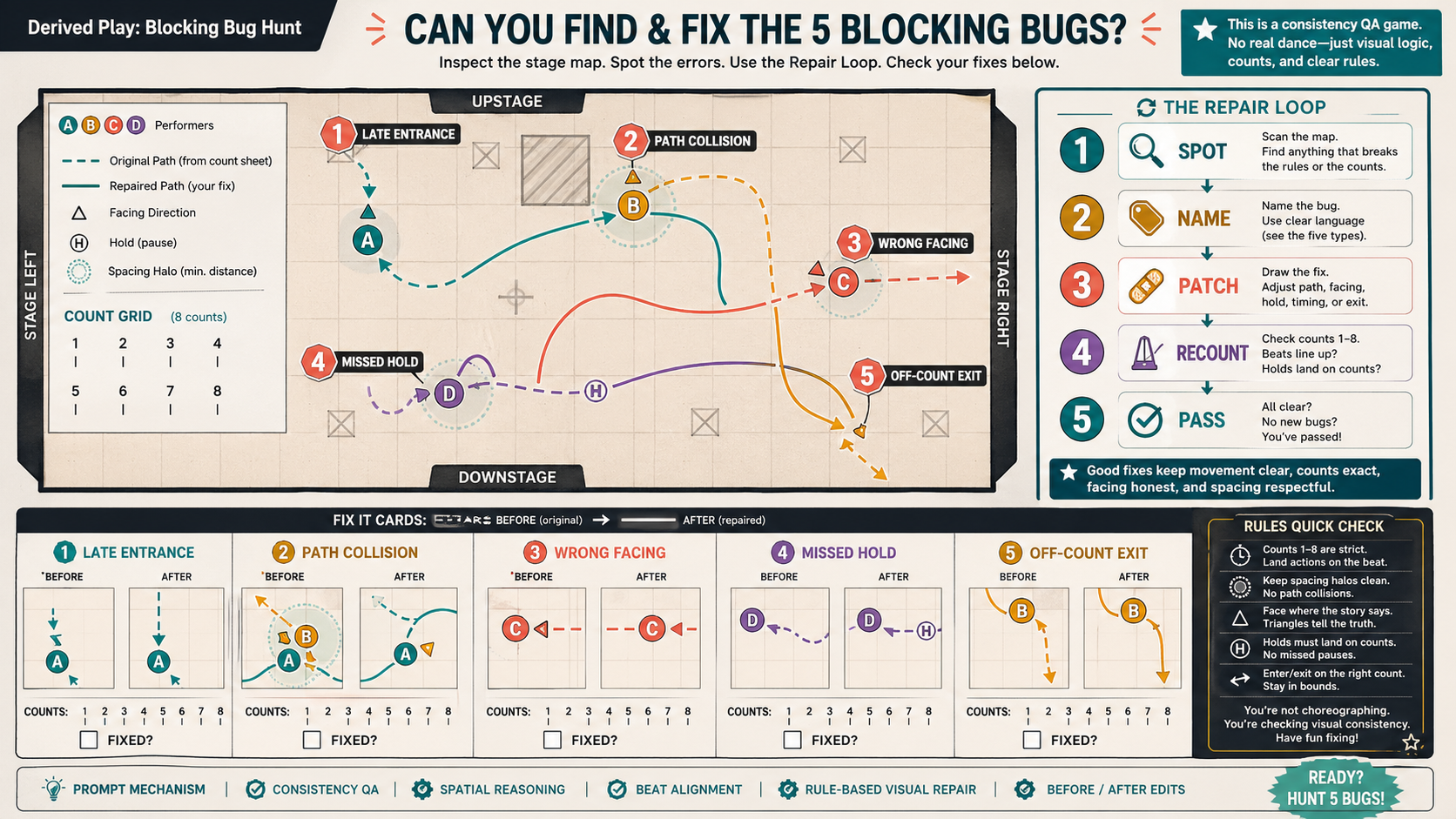
Create a wide 16:9 playable puzzle sheet titled in small text "Derived Play: Blocking Bug Hunt". It is derived from the Rehearsal...
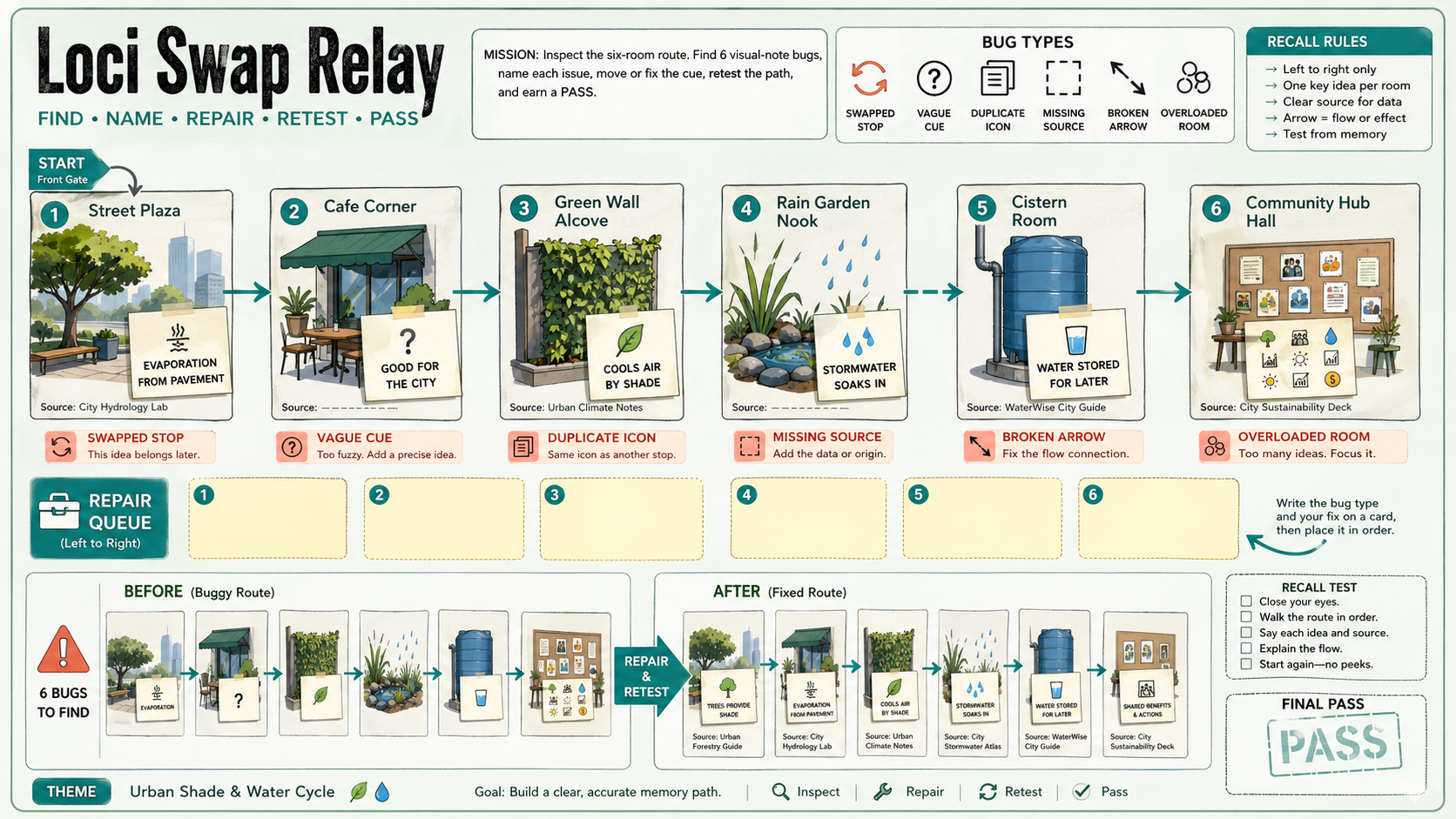
Create a polished, public-gallery image for a derived GPT Image 2 play mechanic. Use case: scientific-educational / derived play...
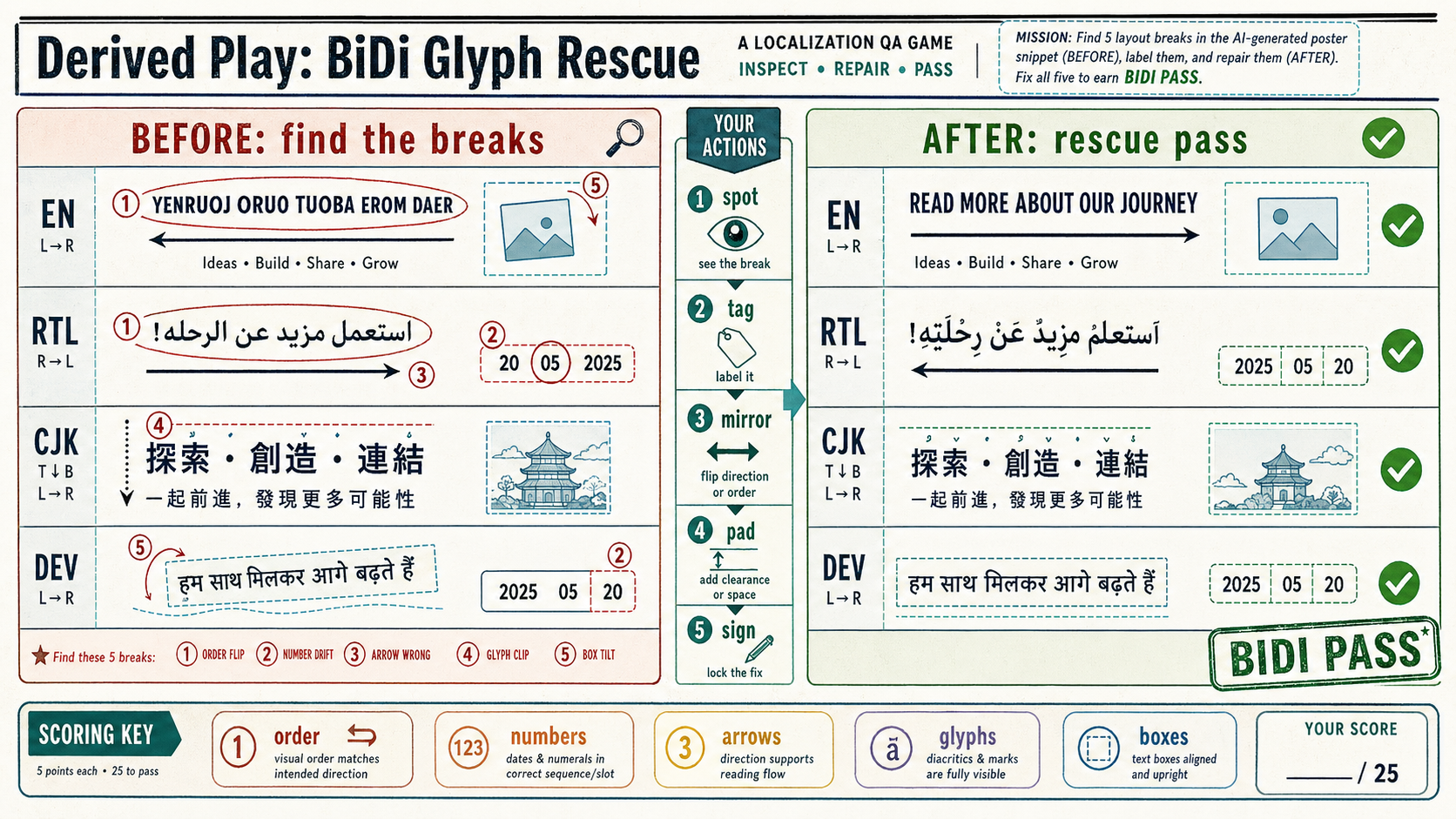
Create one polished public-gallery concept image titled exactly "Derived Play: BiDi Glyph Rescue". Use case: derived play mechani...
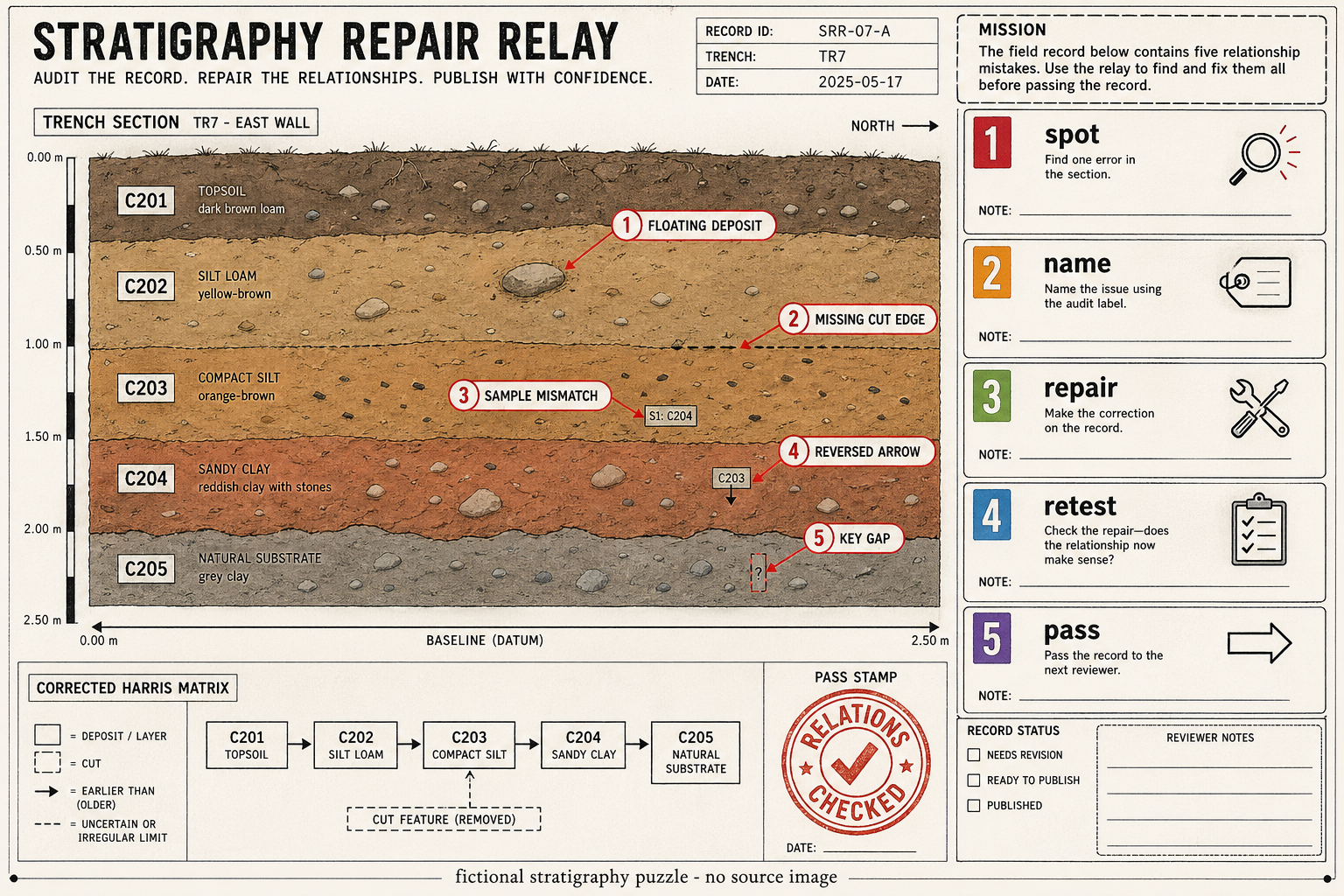
Create a single polished derived-play image for GPT Image 2 titled "Stratigraphy Repair Relay". Primary scene: a landscape-format...