GPT Image 2 Xuanzang westward journey map explainer
历史事件地图插图师。您是一位专业的历史信息图表设计师。根据用户指定的【主题】历史内容,生成一个纵向的、两部分的地图和场景插图,匹配参考图像的温暖水彩/插图风格。 布局结构: 1. 上半部分:详细的地图,展示历史路线、关键地点和方向箭头,清晰标注城市、地区、山...
把 GPT Image 2 用作服务设计蓝图蒸馏器:从虚构投诉 transcript 生成 customer actions、frontstage、visibility line、backstage、support systems 和 recovery opportunities 的跨泳道 workshop canvas。
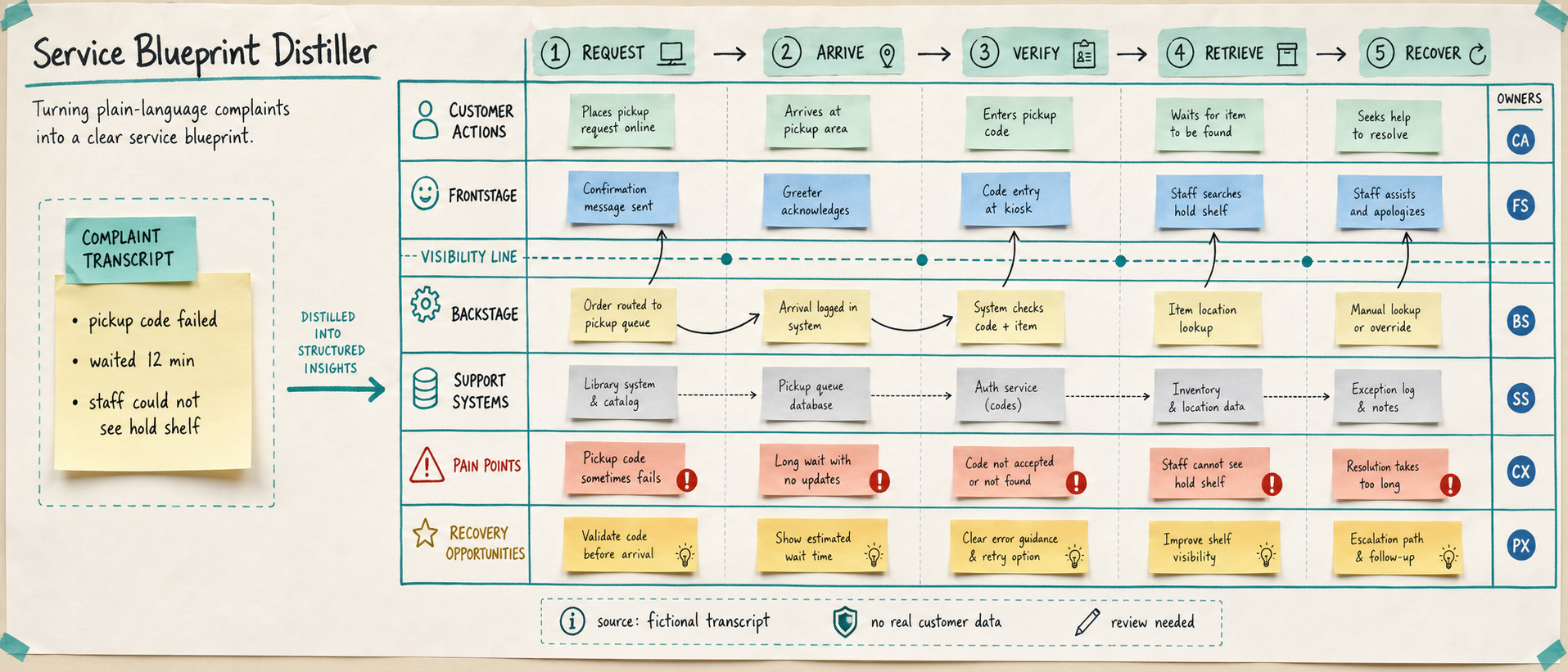
Use this as a reference for Backstage Process, Complaint Transcript, Journey Map, Service Blueprint Distiller workflows, prompt structure, visual constraints, and output review.
Use case: productivity-visual / service-design workflow
Asset type: public gallery image for GPT Image 2 use-case research, ultra-wide 21:9 workshop artifact
Primary request: Create a polished fictional service-design canvas titled "Service Blueprint Distiller" showing how GPT Image 2 converts one messy plain-language complaint transcript into a scan-friendly multilane service blueprint.
Scene/backdrop: a clean workshop wall canvas, photographed straight-on, with crisp paper texture, thin colored tape lines, and neatly arranged sticky-note clusters. No hands, no people, no laptops, no logos.
Subject: left side contains a small fictional input note labeled "Complaint transcript" with short safe text fragments only: "pickup code failed", "waited 12 min", "staff could not see hold shelf". The large center/right canvas turns it into five horizontal lanes: "Customer actions", "Frontstage", "Visibility line", "Backstage", "Support systems". Use simple icons, arrows, stage chips, pain markers, owner dots, and a final row called "Recovery opportunities". Include a tiny confidence/provenance strip at bottom: "source: fictional transcript", "no real customer data", "review needed".
Visual mechanism: make the transformation visible: a thin flow from unstructured text to stages, then into aligned touchpoints, hidden dependencies, and fixes. Emphasize the visibility line separating customer-visible and internal work.
Style/medium: high-end service design workshop board, editorial UX research artifact, clear information hierarchy, legible but not overloaded, professional and realistic.
Composition/framing: ultra-wide panoramic canvas, not a 2x2 or 2x3 grid, not a dashboard, not a tabletop game, not a physical instrument. Use lanes spanning horizontally with a few vertical stage columns: "Request", "Arrive", "Verify", "Retrieve", "Recover".
Color palette: warm white paper, graphite ink, teal lane dividers, coral pain markers, mustard opportunity tags, muted blue owner dots. Avoid purple-dominant palettes.
Text requirements: Only the title and lane/stage labels above, plus short fictional fragments. Keep text clean and mostly readable; do not invent real brands.
Safety and rights constraints: completely fictional service called Mossline Library Pickup; no real brands, logos, institutions, customer names, phone numbers, addresses, QR codes, barcodes, public figures, politics, medical/legal/financial services, harmful instructions, adult content, gore, weapons, copyrighted characters, celebrity likeness, living-artist style imitation, watermark, copied template, copied source image, or external prompt text.
Source note: Original fictional service-design blueprint artifact generated locally after external source sweep. Sources informed only abstract service blueprint lane conventions, journey-map touchpoint/emotion patterns, script-to-sequence breakdown, customer-journey research distinctions, and prompt-gallery metadata practices; no external prompt text, image, portfolio, template, real brand case, customer data, product UI, or source image was reused.
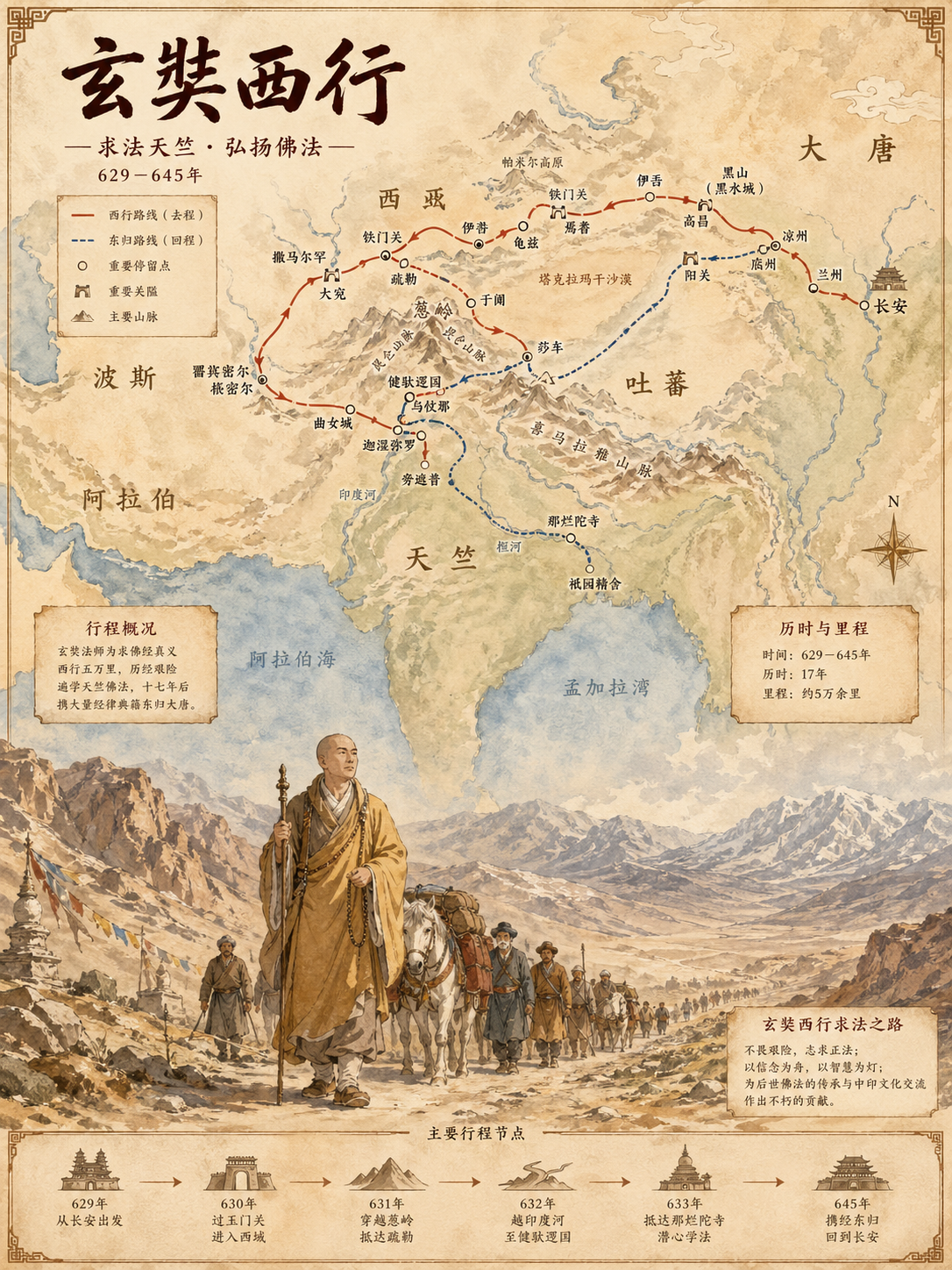
历史事件地图插图师。您是一位专业的历史信息图表设计师。根据用户指定的【主题】历史内容,生成一个纵向的、两部分的地图和场景插图,匹配参考图像的温暖水彩/插图风格。 布局结构: 1. 上半部分:详细的地图,展示历史路线、关键地点和方向箭头,清晰标注城市、地区、山...
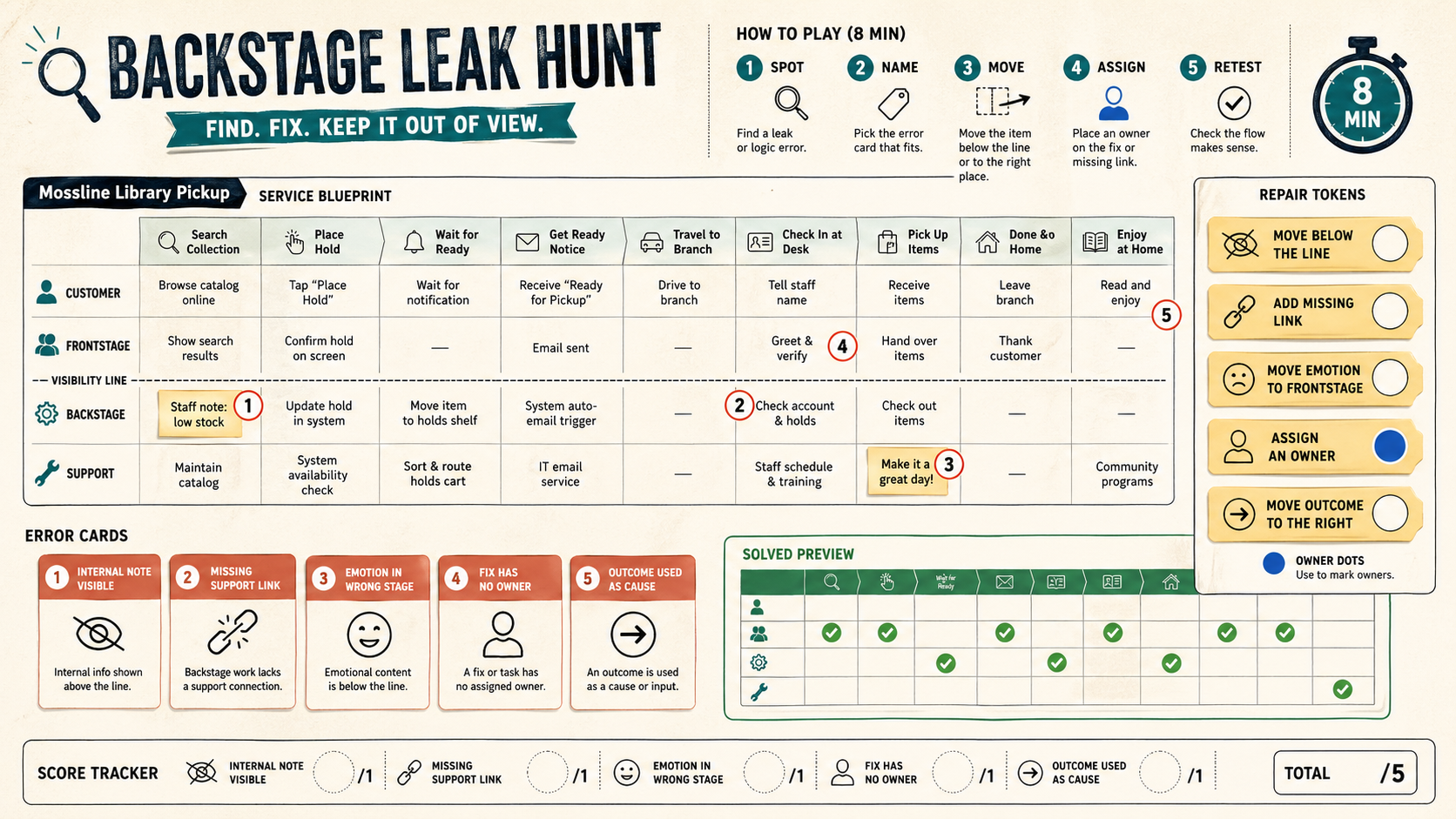
Derived play: productivity-visual / service-design QA game Asset type: public gallery image for GPT Image 2 derived-play research...
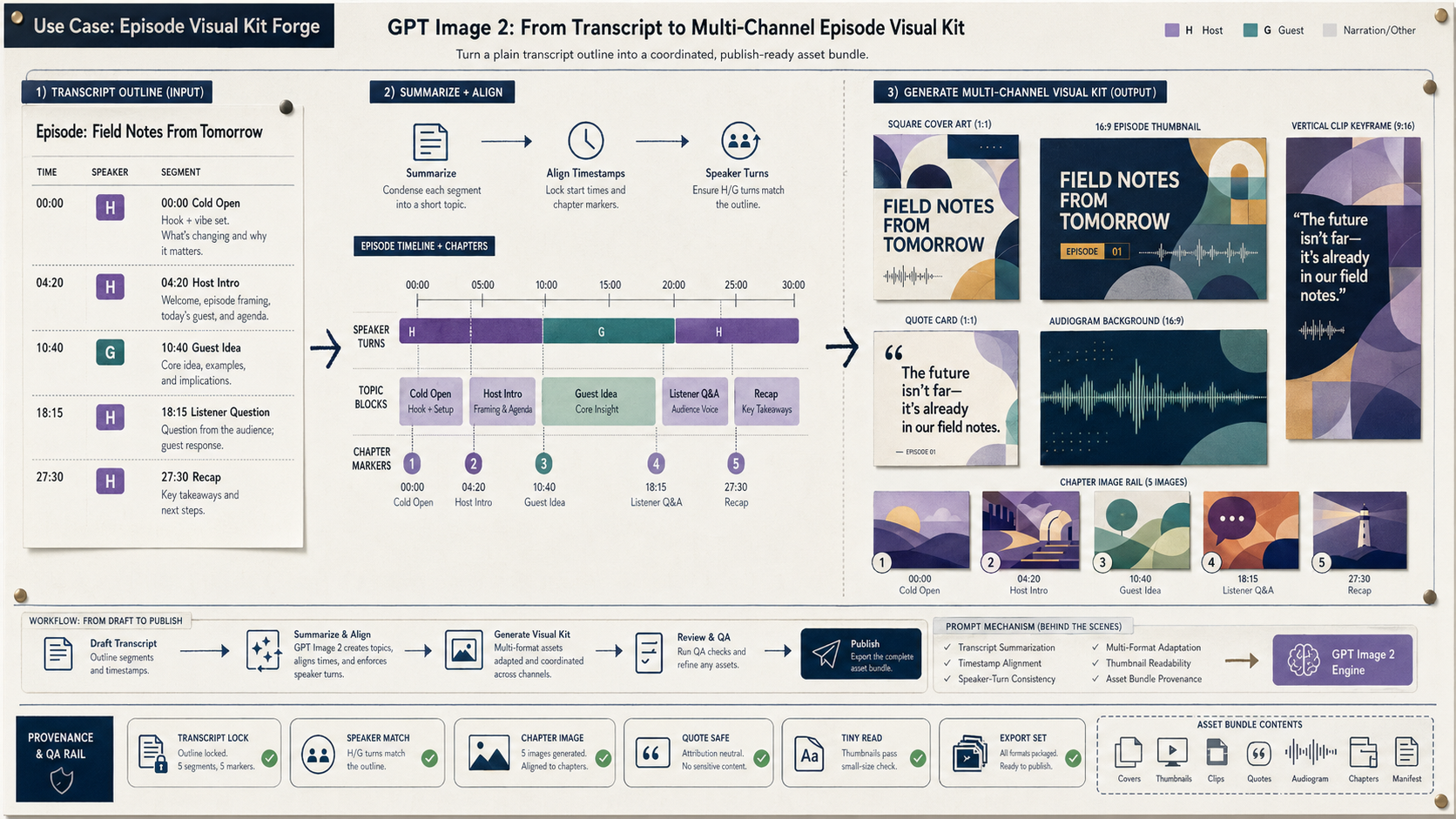
Create a wide 16:9 fictional podcast production artifact titled in small clear text "Use Case: Episode Visual Kit Forge". Show ho...
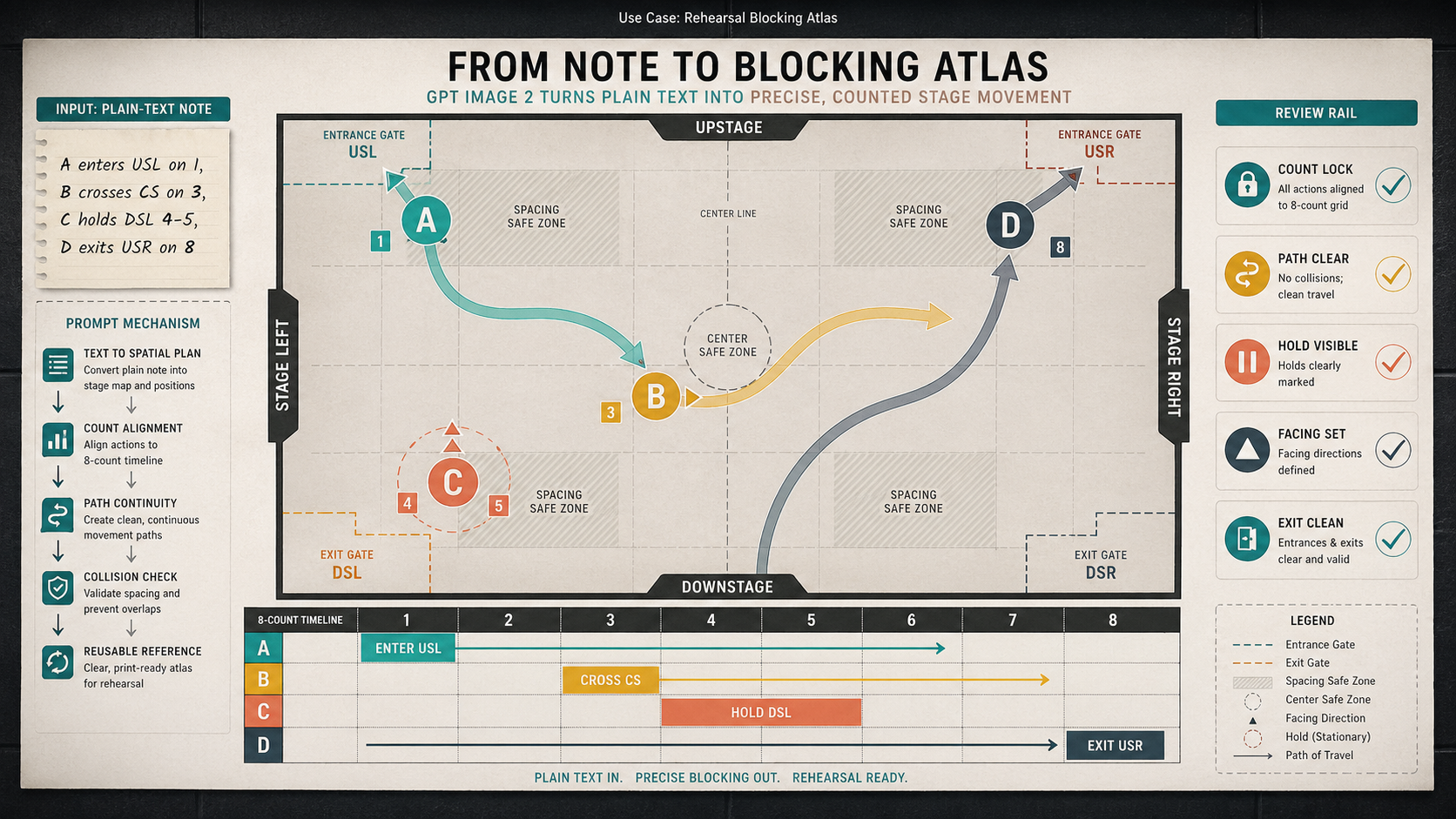
Create a wide 16:9 fictional rehearsal planning artifact titled visually only in small text as "Use Case: Rehearsal Blocking Atla...
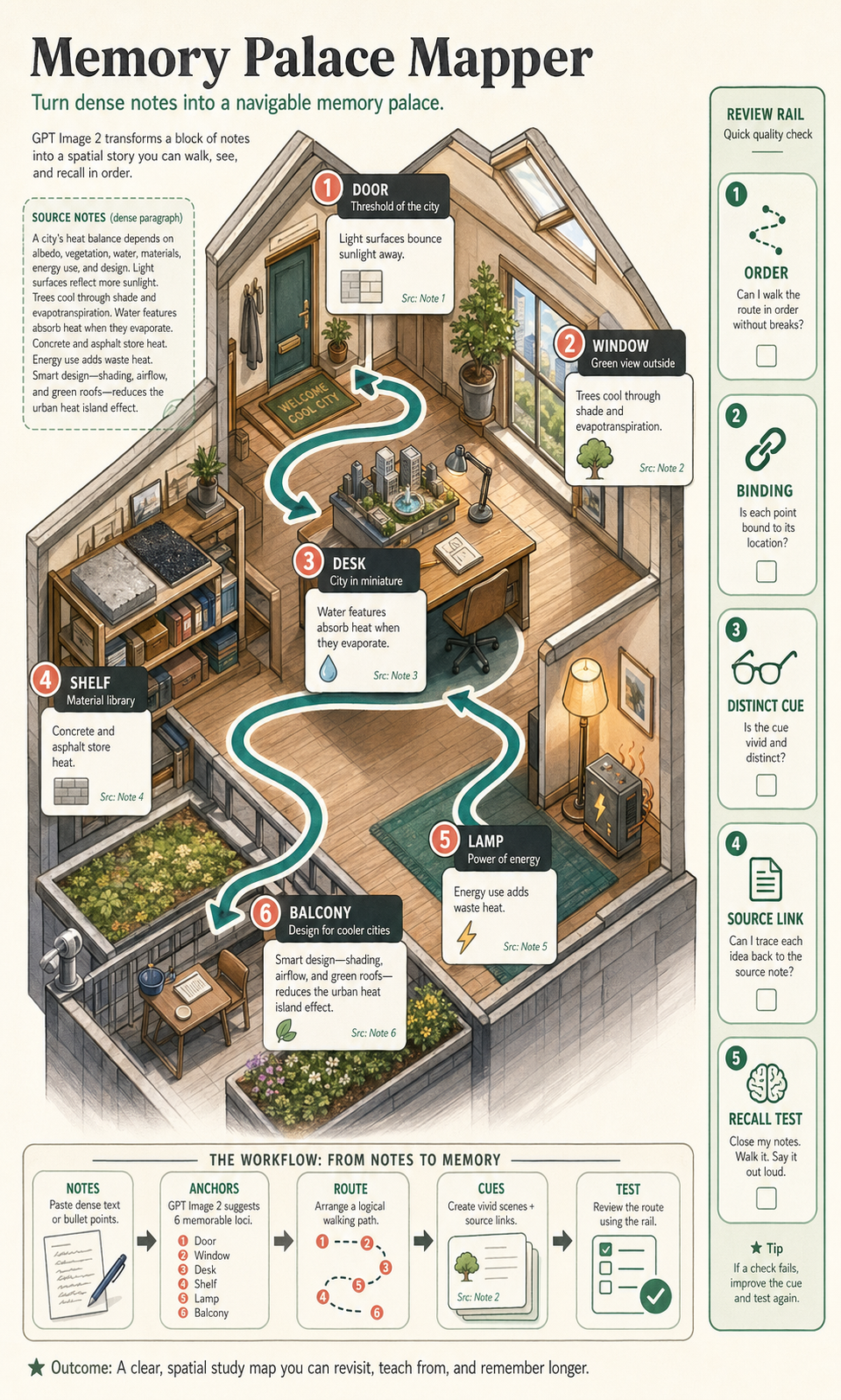
Create a polished, public-gallery image for GPT Image 2 use-case research. Use case: scientific-educational / productivity-visual...
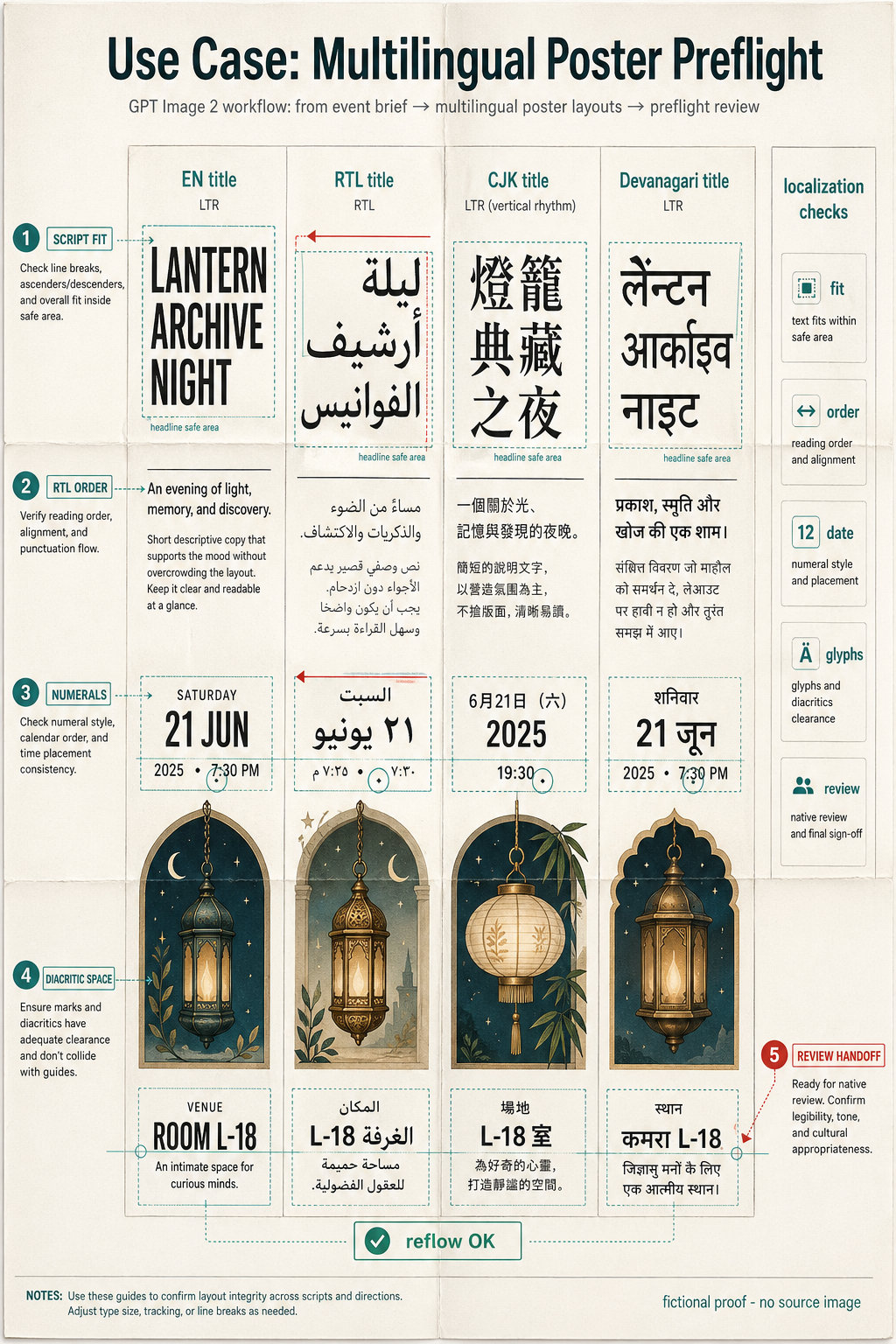
Create one polished public-gallery concept image titled exactly "Use Case: Multilingual Poster Preflight". Use case: localization...