Use Case: Multilingual Poster Preflight
Create one polished public-gallery concept image titled exactly "Use Case: Multilingual Poster Preflight". Use case: localization...
从 Multilingual Poster Preflight 派生出的双向文本 QA 玩法:玩家在 before/after 多语种版面中 spot、tag、mirror、pad、sign 五类问题,包括 order flip、number drift、arrow wrong、glyph clip 和 box tilt。
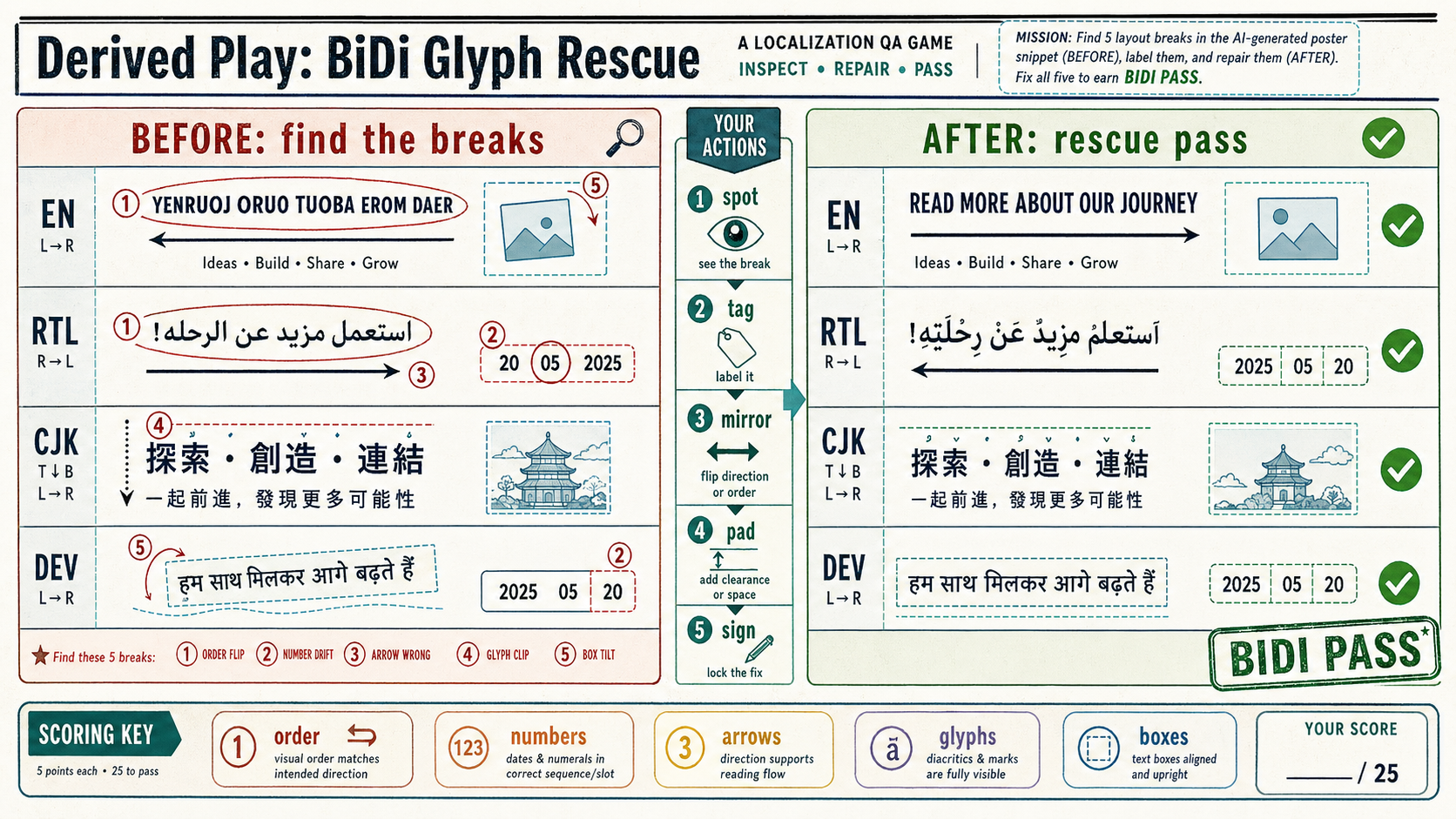
Use this as a reference for Bidi Glyph Rescue, Bidi Text, Derived Play, Glyph Repair workflows, prompt structure, visual constraints, and output review.
Create one polished public-gallery concept image titled exactly "Derived Play: BiDi Glyph Rescue".

Use case: derived play mechanic / localization QA game / mixed-script text-direction repair.
Asset type: landscape 16:9 printable repair puzzle sheet for a GPT Image 2 gallery.

Primary request: Derive a playable review game from Multilingual Poster Preflight. Players inspect a fictional AI-generated multilingual layout and repair five problems before the poster can pass localization preflight. This must be a flat printable puzzle sheet, not a dashboard, not a menu, not a map, not a comic strip, not a physical tabletop game photo, and not a 2x3 contact sheet.

Gameplay concept: a generated poster snippet is split into "before" and "after" lanes. The player must find, label, repair, and pass mixed-script layout faults: reversed visual order, misplaced numerals, wrong arrow direction, clipped diacritic zone, and mismatched text-box orientation. The game is about visible QA mechanics, not real translation.

Composition: landscape sheet with a large left panel titled "BEFORE: find the breaks" showing four fictional language lanes with short labels only: EN, RTL, CJK, DEV. Add five red numbered fault loops with readable labels: ORDER FLIP, NUMBER DRIFT, ARROW WRONG, GLYPH CLIP, BOX TILT. Use simple synthetic glyph clusters and placeholder-like text blocks, not real translated paragraphs. Include direction arrows, baseline guides, bounding boxes, and a small date/number strip that has one obvious misplacement.

Right panel titled "AFTER: rescue pass" shows corrected versions of the same lanes with green check marks, aligned boxes, direction arrows, extra top padding for diacritics, and a compact final stamp "BIDI PASS". Between panels, add a vertical action ladder with five steps: "spot", "tag", "mirror", "pad", "sign". Bottom strip shows a scoring key with five chips: order, numbers, arrows, glyphs, boxes.

Visual style: precise localization QA worksheet with editorial polish, warm white paper, graphite linework, teal guides, red fault marks, green pass marks, clean legible typography, purposeful empty space, sophisticated production-proof feel. Make the playful rule loop obvious: AI image outputs become inspectable, repairable artifacts.

Safety and originality constraints: fictional localization material only; no real brands, no logos, no real event, no real organization, no real address, no QR code, no public figures, no politics/elections/parties/persuasion, no religious symbols, no medical/legal/financial claims, no hazardous instructions, no adult or explicit content, no gore, no celebrity likeness, no copyrighted characters, no living-artist style imitation. Do not copy any external prompt, poster, type specimen, dataset sample, article image, product UI, source image, artwork, creator style, or protected typeface specimen.
Source note: Original fictional bidirectional-text repair game generated locally after external source sweep. Sources informed only abstract mixed-script typography review, BiDi UI failure modes, text-box/orientation evaluation, and native-review workflow patterns; no external prompt text, poster, type specimen, dataset sample, article image, product UI, brand, source image, creator style, or protected typeface specimen was reused.
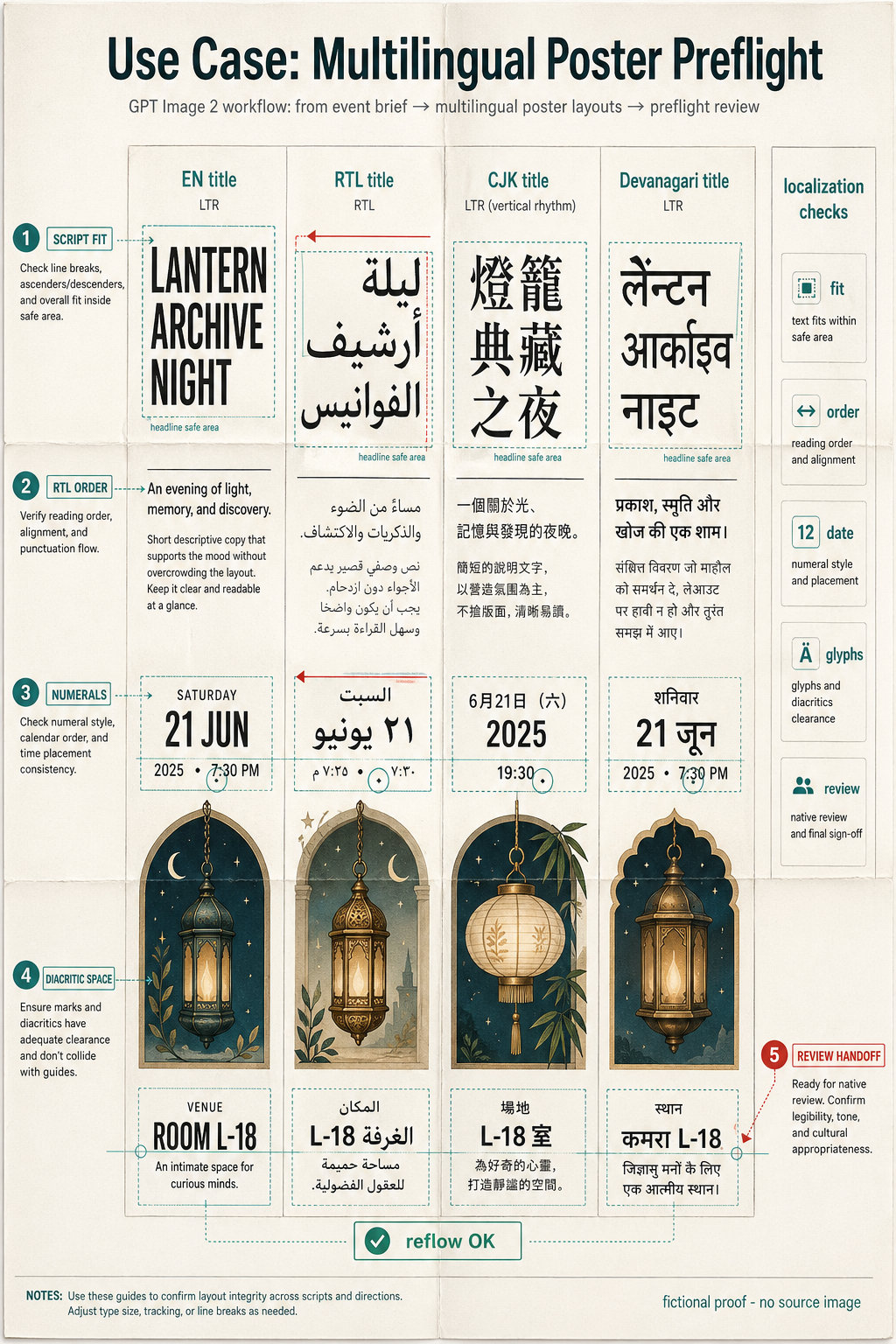
Create one polished public-gallery concept image titled exactly "Use Case: Multilingual Poster Preflight". Use case: localization...
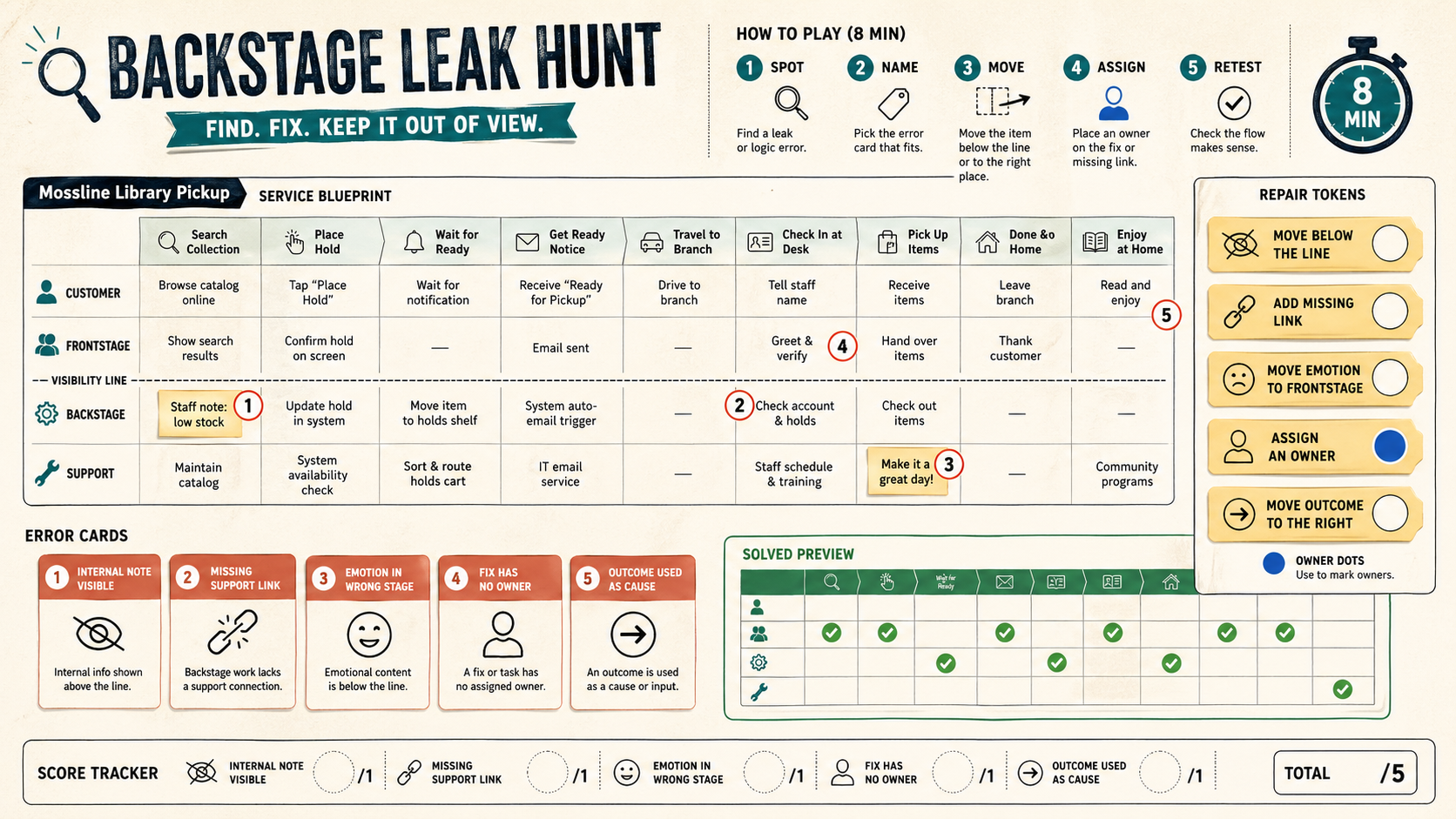
Derived play: productivity-visual / service-design QA game Asset type: public gallery image for GPT Image 2 derived-play research...
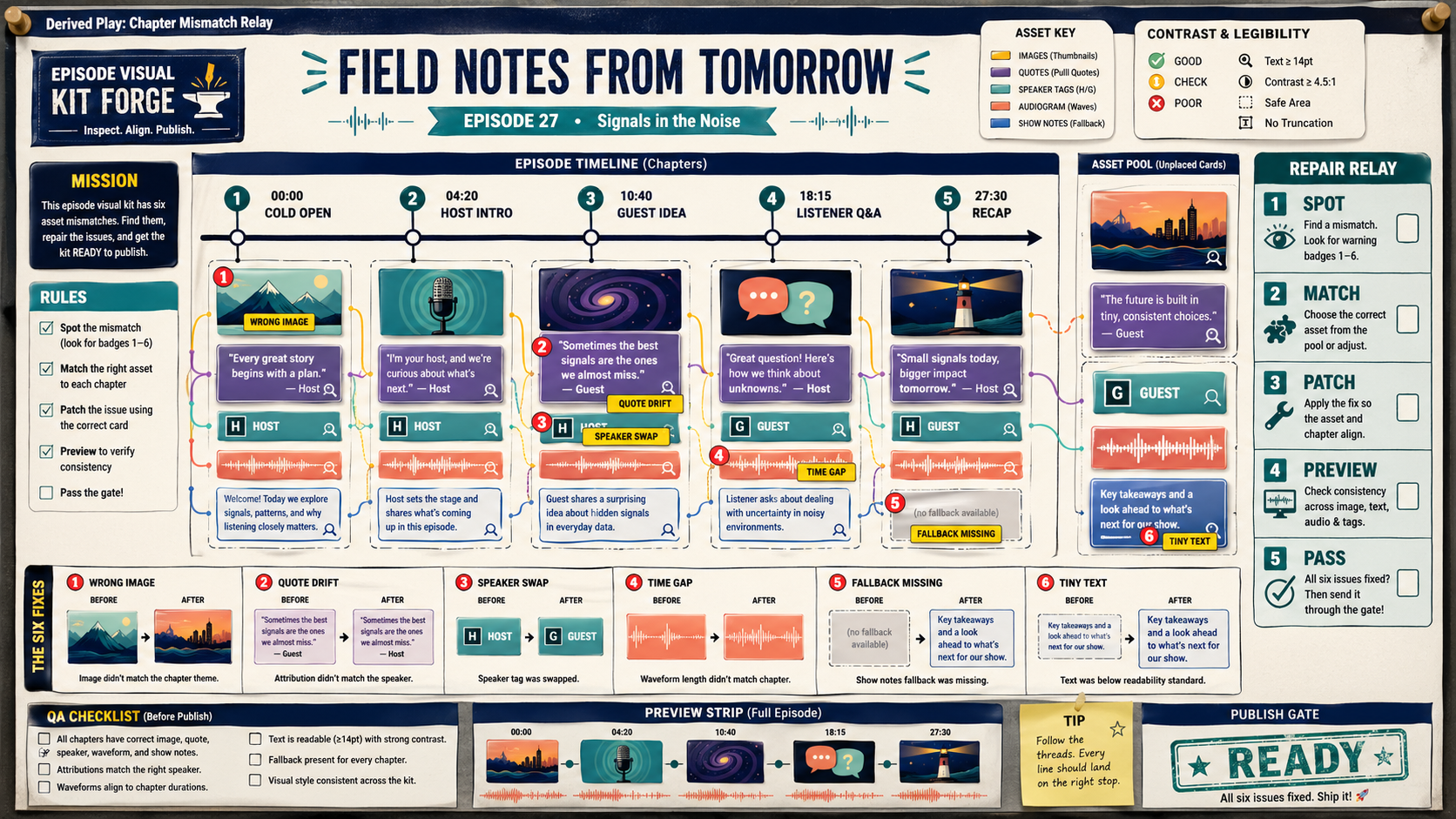
Create a wide 16:9 playable QA puzzle sheet titled in small clear text "Derived Play: Chapter Mismatch Relay". It is derived from...
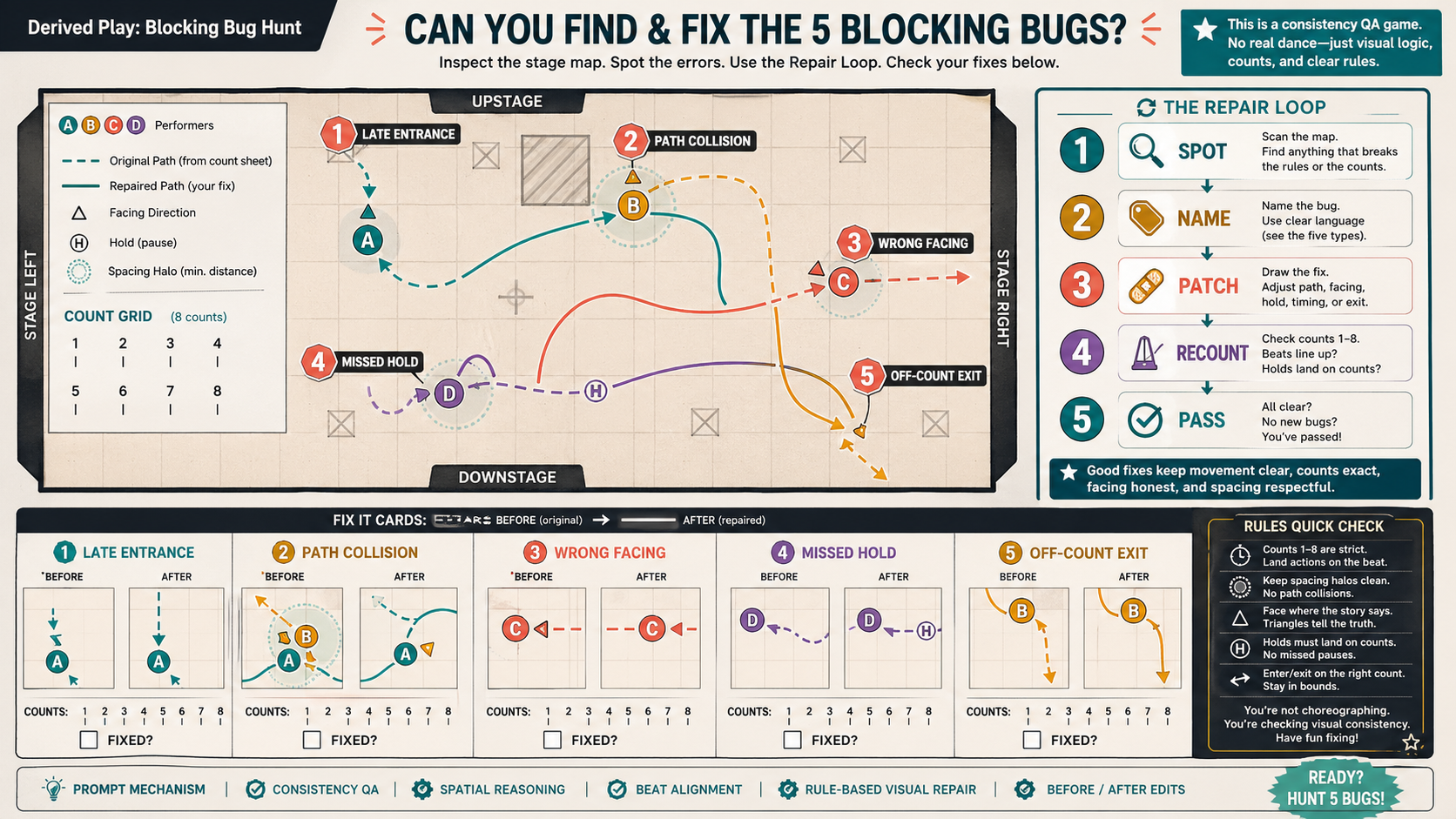
Create a wide 16:9 playable puzzle sheet titled in small text "Derived Play: Blocking Bug Hunt". It is derived from the Rehearsal...
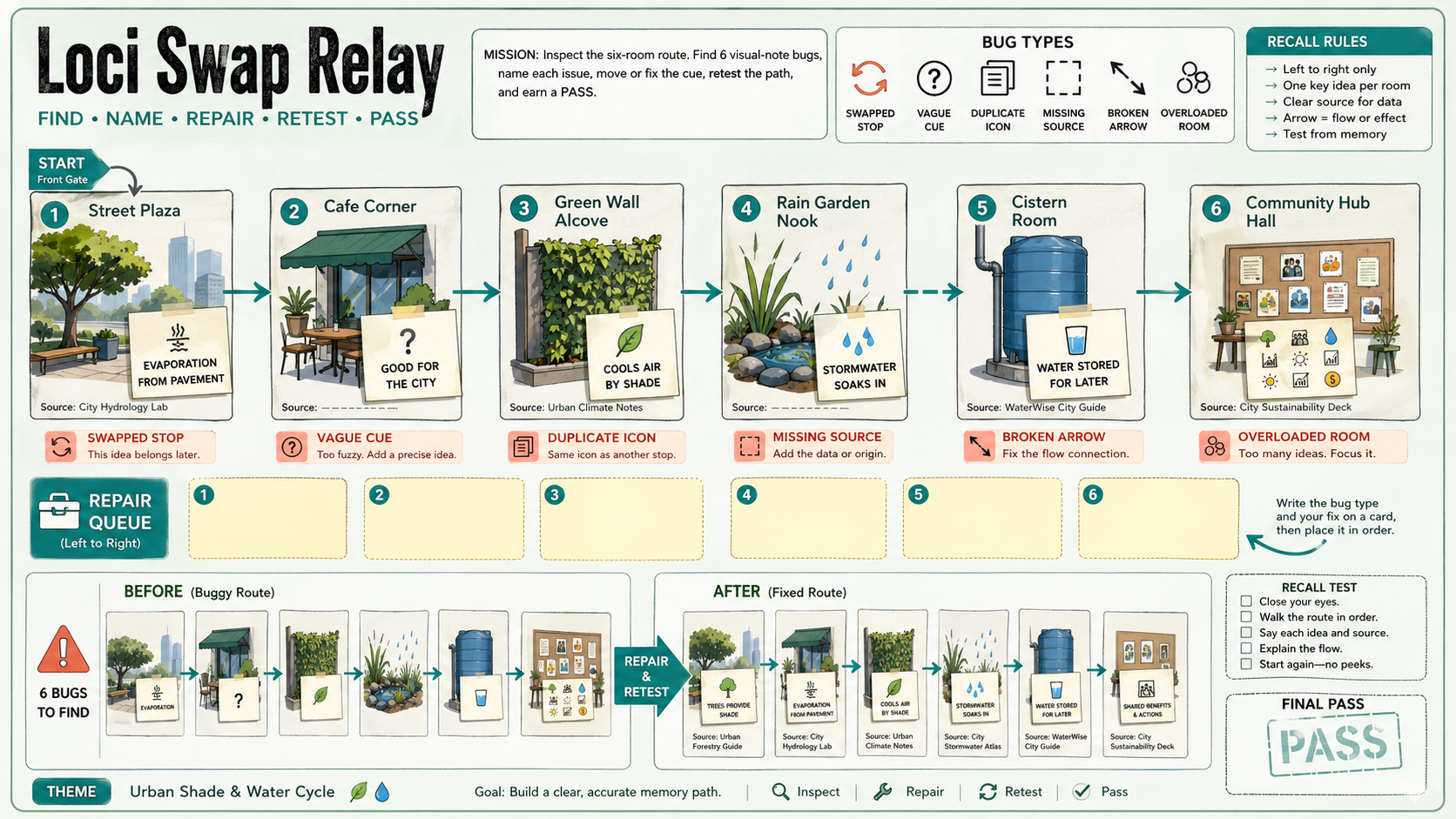
Create a polished, public-gallery image for a derived GPT Image 2 play mechanic. Use case: scientific-educational / derived play...
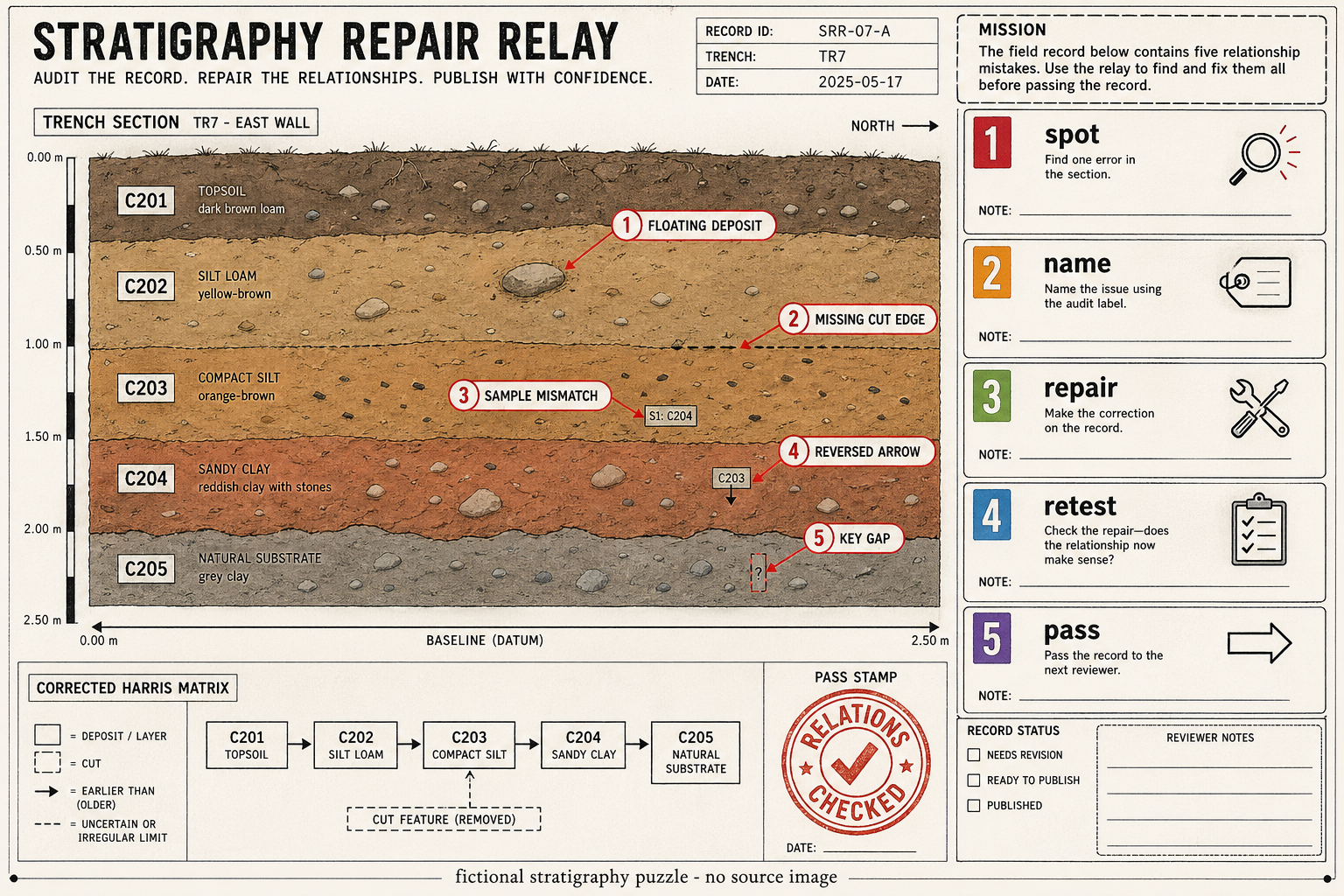
Create a single polished derived-play image for GPT Image 2 titled "Stratigraphy Repair Relay". Primary scene: a landscape-format...