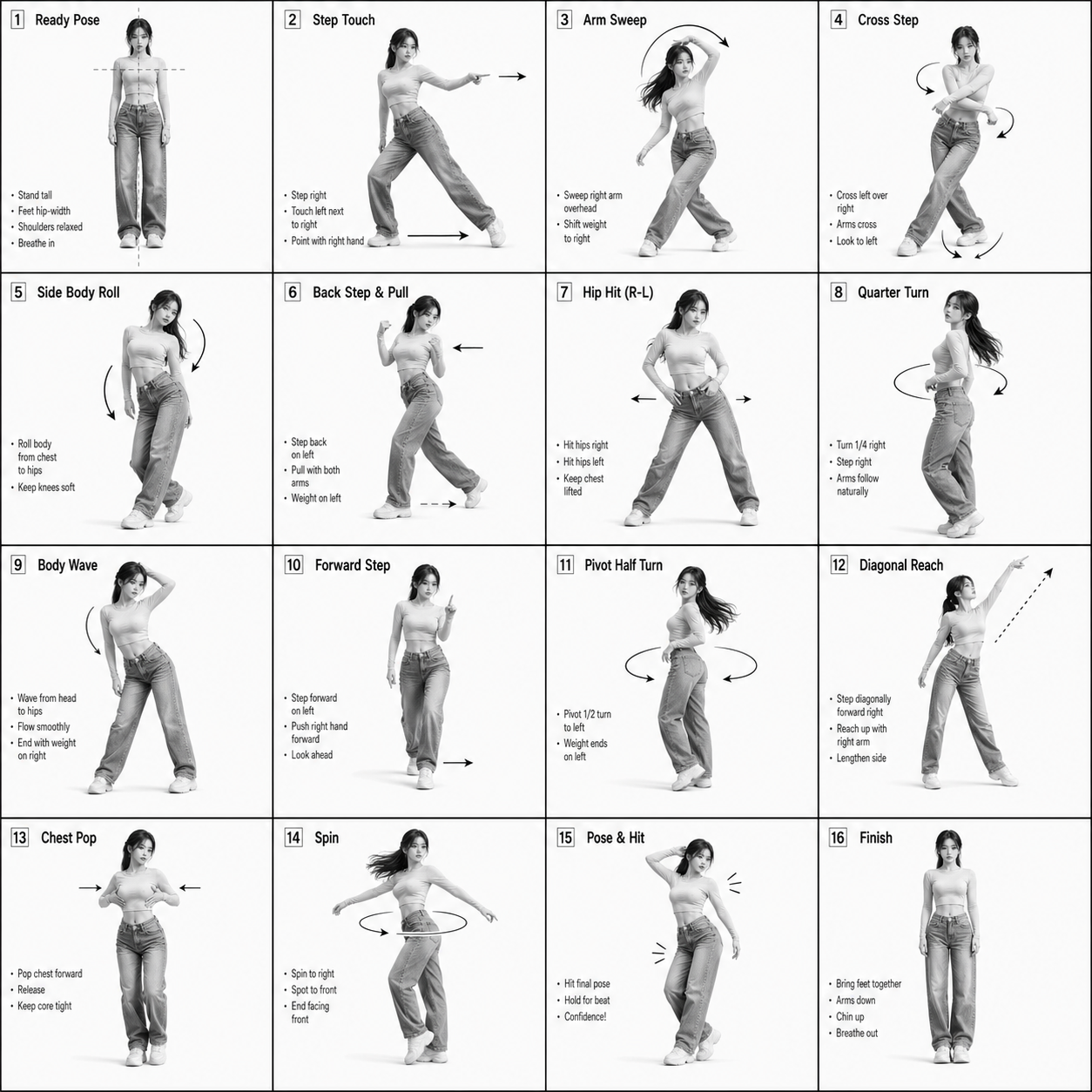
GPT Image 2 Korean streetwear dance sequence sheet
Dance Sequence Instruction Sheet. Monochrome grayscale composition featuring a highly detailed 3D-rendered female dancer, designe...
从感官循环工具箱派生出的圆形规则机器:气味旗语、波形雕刻、记忆面包屑、握持拍卖、真相环和差事实锚。
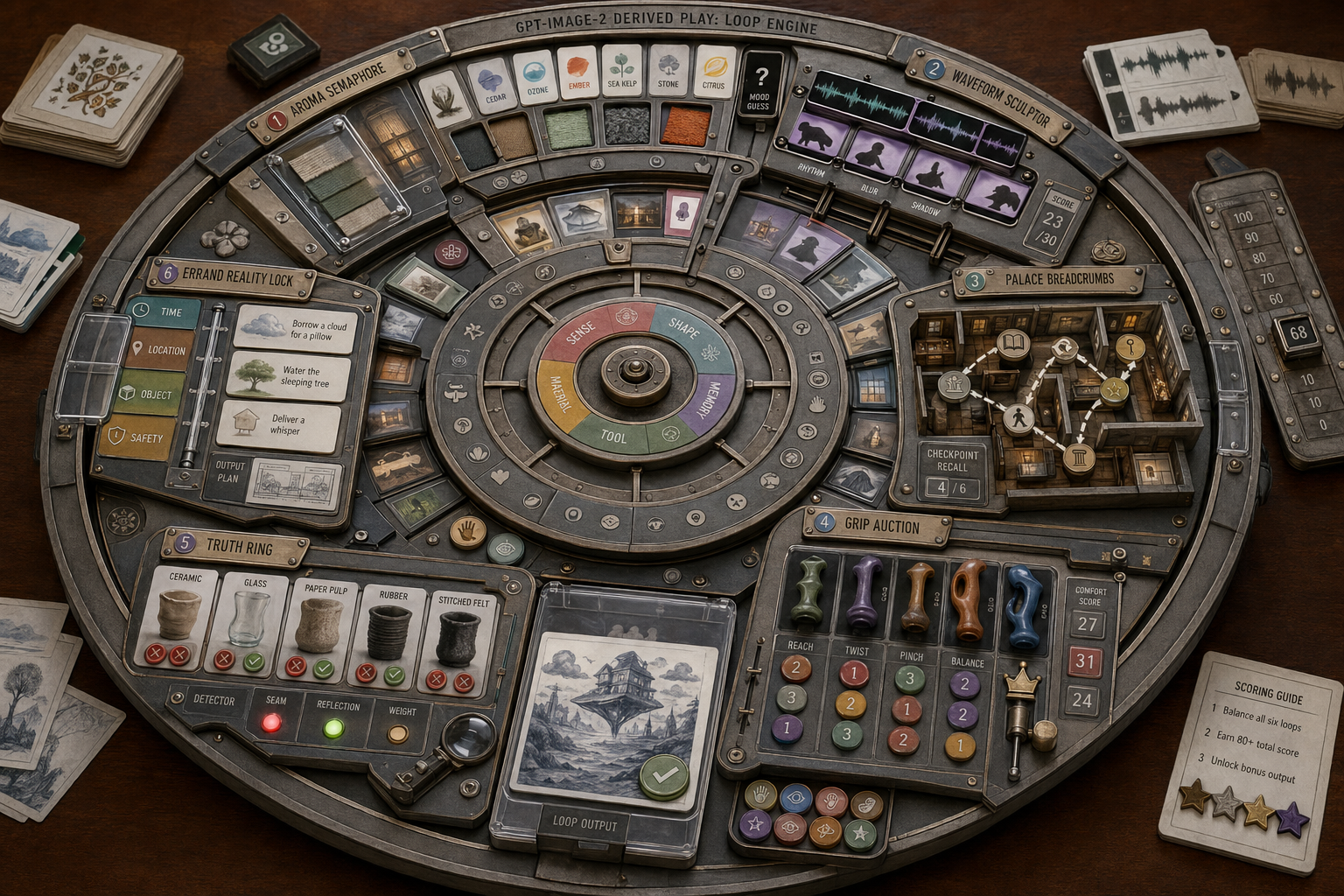
Use this as a reference for Aroma Semaphore, Errand Reality Lock, Grip Auction, Palace Breadcrumbs workflows, prompt structure, visual constraints, and output review.
Create an original GPT Image 2 derived-play scene as one 3:2 landscape image, not a contact sheet, not a 2x3 grid, not separate poster panels. Format: a single photographed circular tabletop "rules machine" with nested rotating rings, windows, sliders, tokens, transparent overlays, a scoring rail, and tiny output prints arranged around the rings. No logos, no real brands, no celebrity likenesses, no public figures, no copyrighted characters, no politics, no sexual content, no violence, no watermarks.

Small readable title engraved on the machine rim: "GPT-IMAGE-2 DERIVED PLAY: LOOP ENGINE".

Derive six playable mechanics from the companion Sensorial Loops kit, but make each mechanic a different interaction rule rather than a simple visual theme. Show labels as small engraved tabs on the same circular machine, not as separate panels:
1 "Aroma Semaphore" - players place scent-note tiles into color/texture windows, then guess the hidden room mood from only material swatches.
2 "Waveform Sculptor" - sound strips pass through silhouette gates; players score objects by how well rhythm, blur, and shadow stay consistent.
3 "Palace Breadcrumbs" - memory-route tokens must connect fact icons through a miniature room maze without repeating an anchor.
4 "Grip Auction" - players bid constraint chips on fictional handle prototypes: reach, twist, pinch, and balance; highest comfort score wins.
5 "Truth Ring" - material cards rotate under an impossible-detail detector; players flag fake seams, wrong reflections, and weight clues.
6 "Errand Reality Lock" - surreal errand cards must be grounded by time, location, object, and safety tabs before an output print is accepted.

Visual requirements: one continuous mechanical object, visible rules components and score evidence for all six mechanics, no rectangular six-panel layout. Premium tabletop prototype photography mixed with crisp concept-art output thumbnails, varied accent colors on brushed metal, paper, translucent plastic, and fabric, readable labels only, professional editorial lighting, high detail, playful but rigorous.
Dance Sequence Instruction Sheet. Monochrome grayscale composition featuring a highly detailed 3D-rendered female dancer, designe...
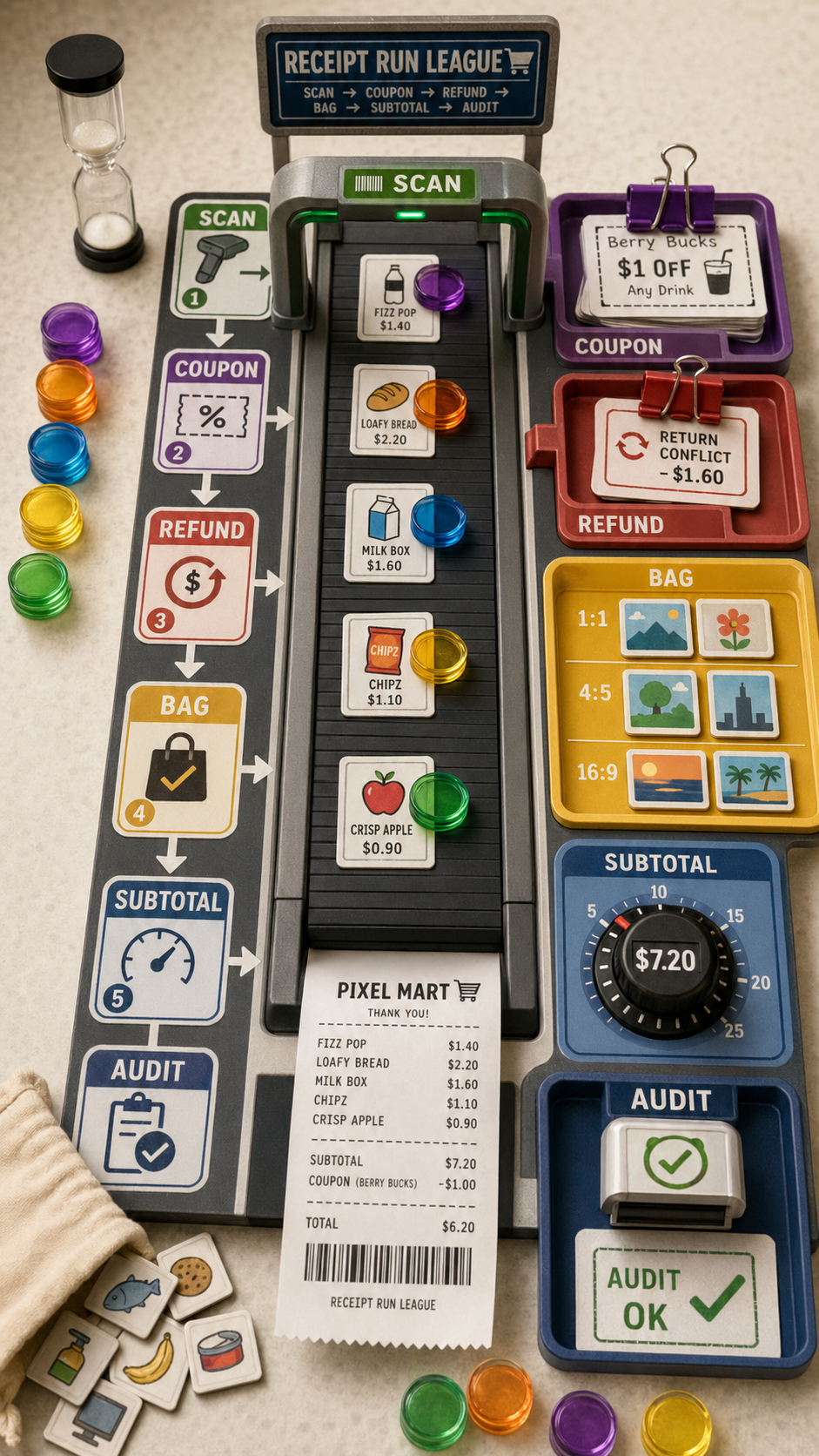
Derived Play: Receipt Run League Asset type: vertical 9:16 playable checkout-conveyor board game photograph, not a grid, not a si...
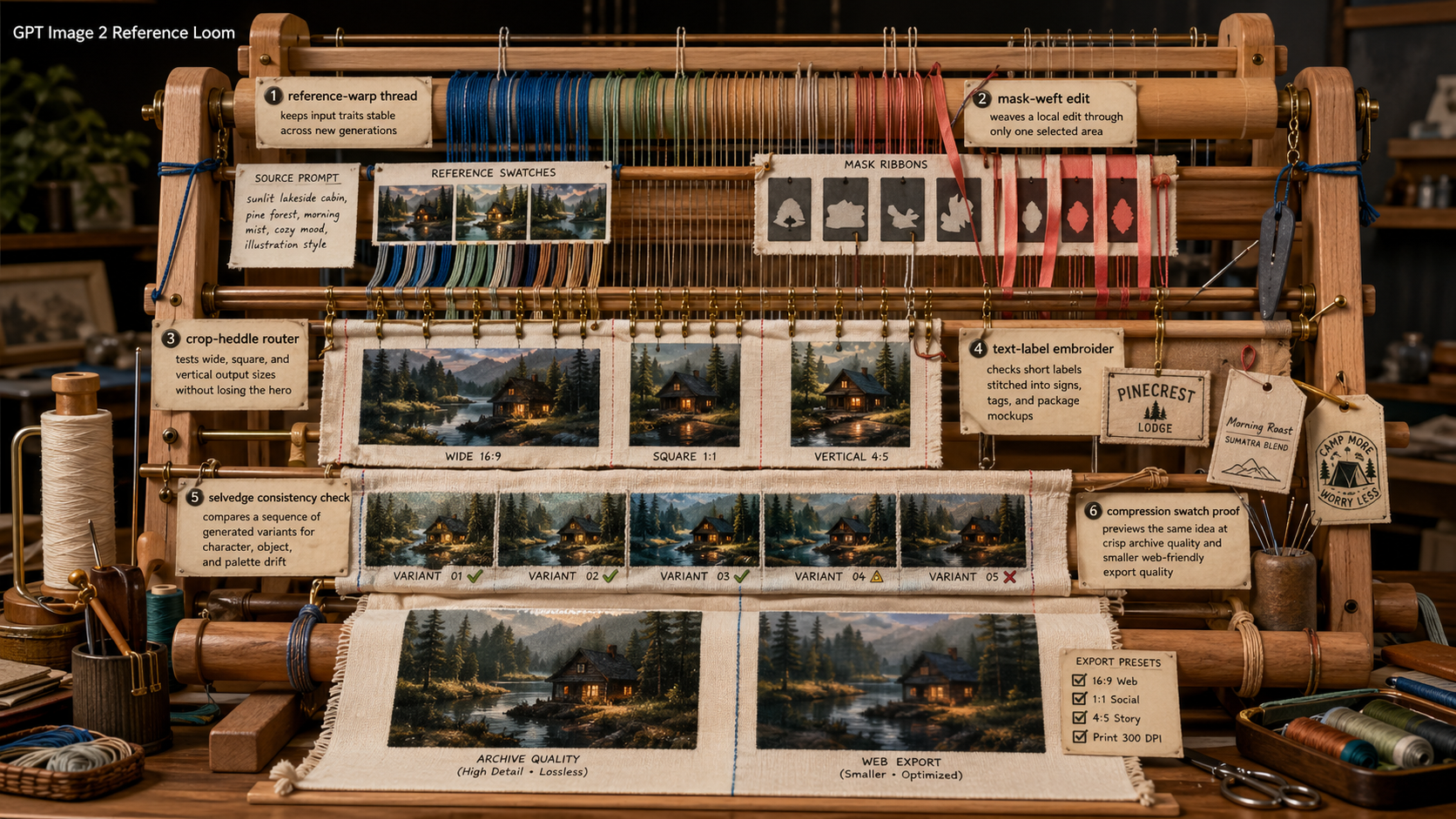
Create one original GPT Image 2 use-case concept image as a 16:9 landscape scene. Title inside the image, small and legible: "GPT...
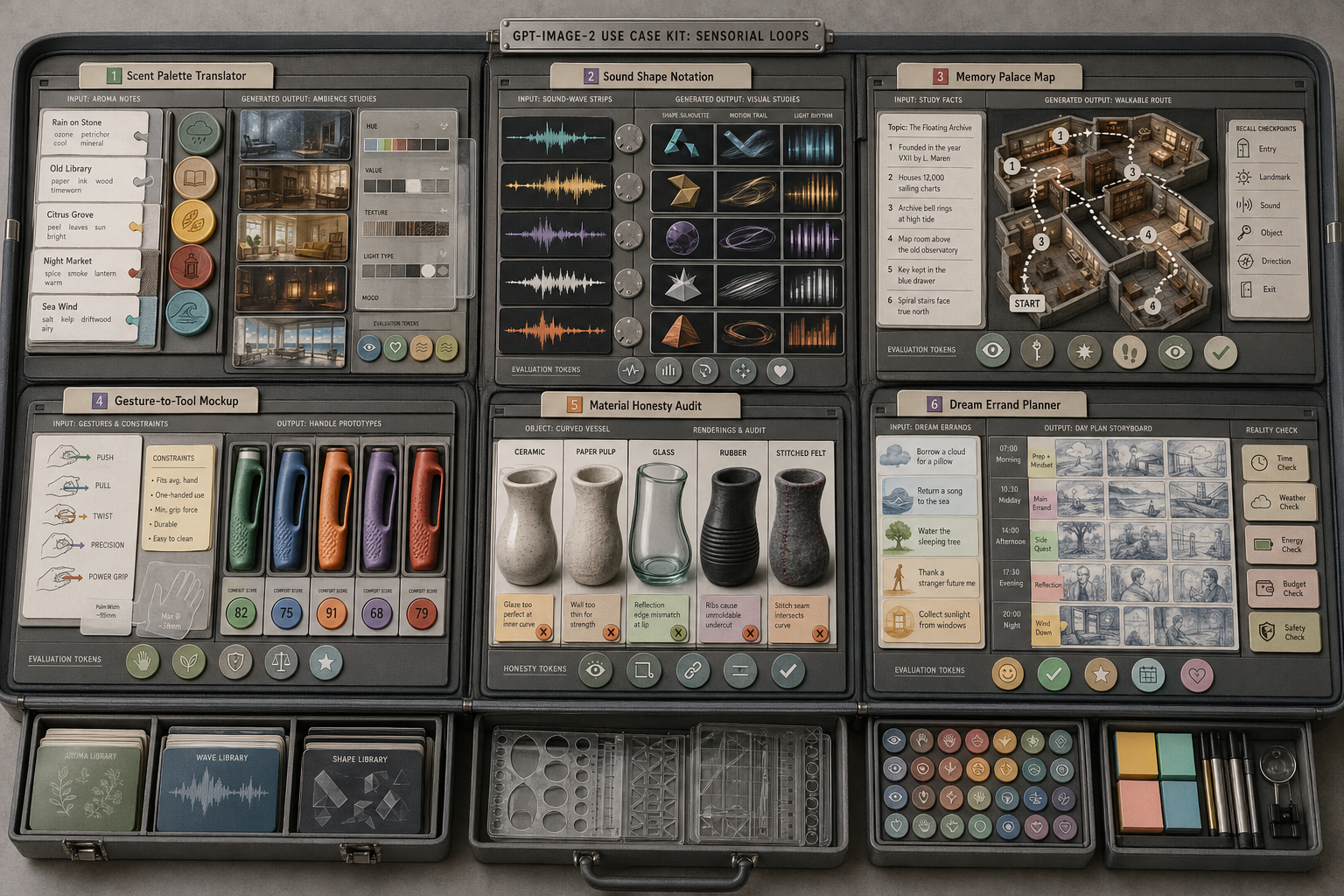
Create an original GPT Image 2 use-case scene as one 3:2 landscape image, not a contact sheet, not a 2x3 grid, not separate poste...
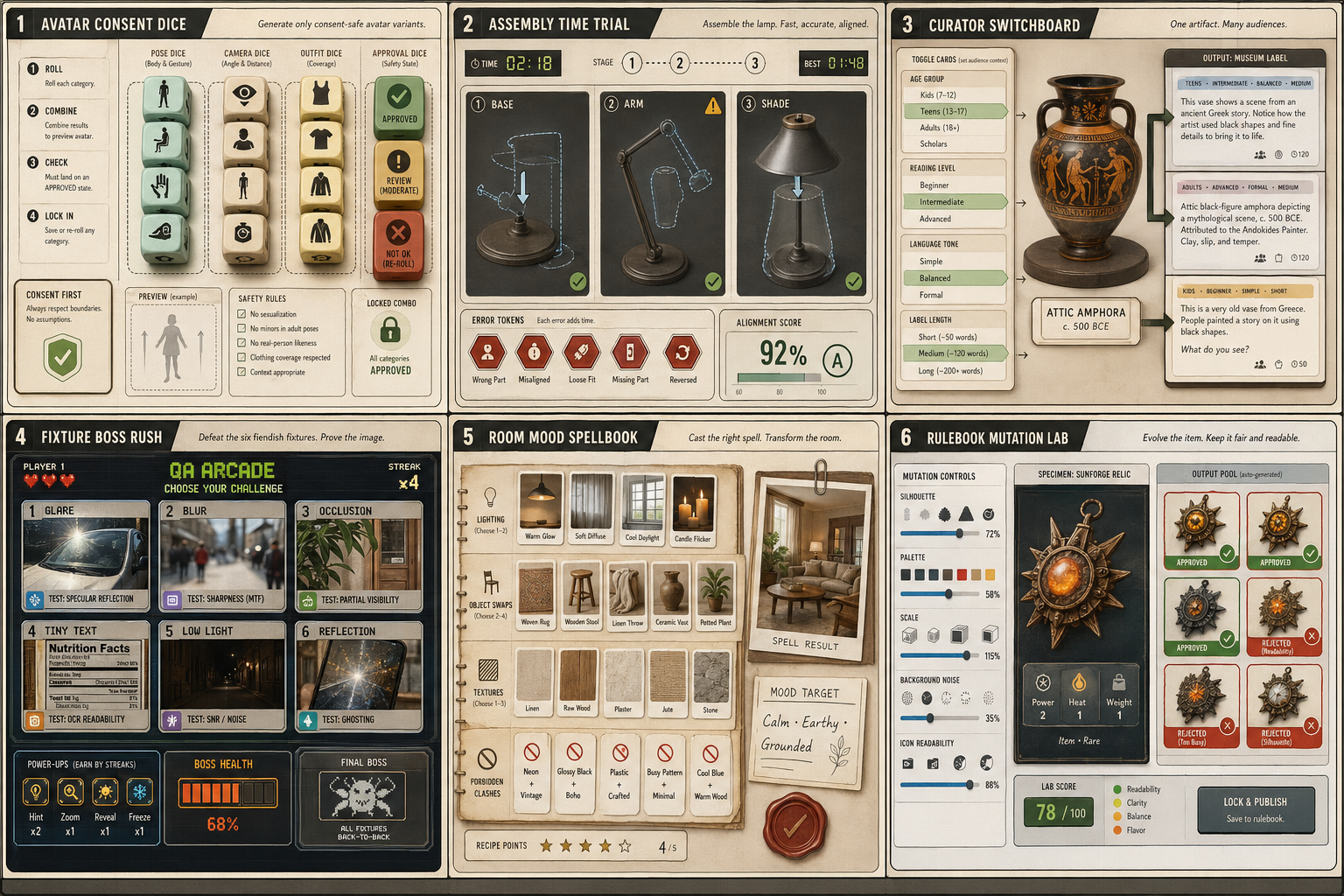
Create a second polished GPT Image 2 derived-play board as a single 3:2 landscape image, laid out as a clean 2x3 contact sheet wi...
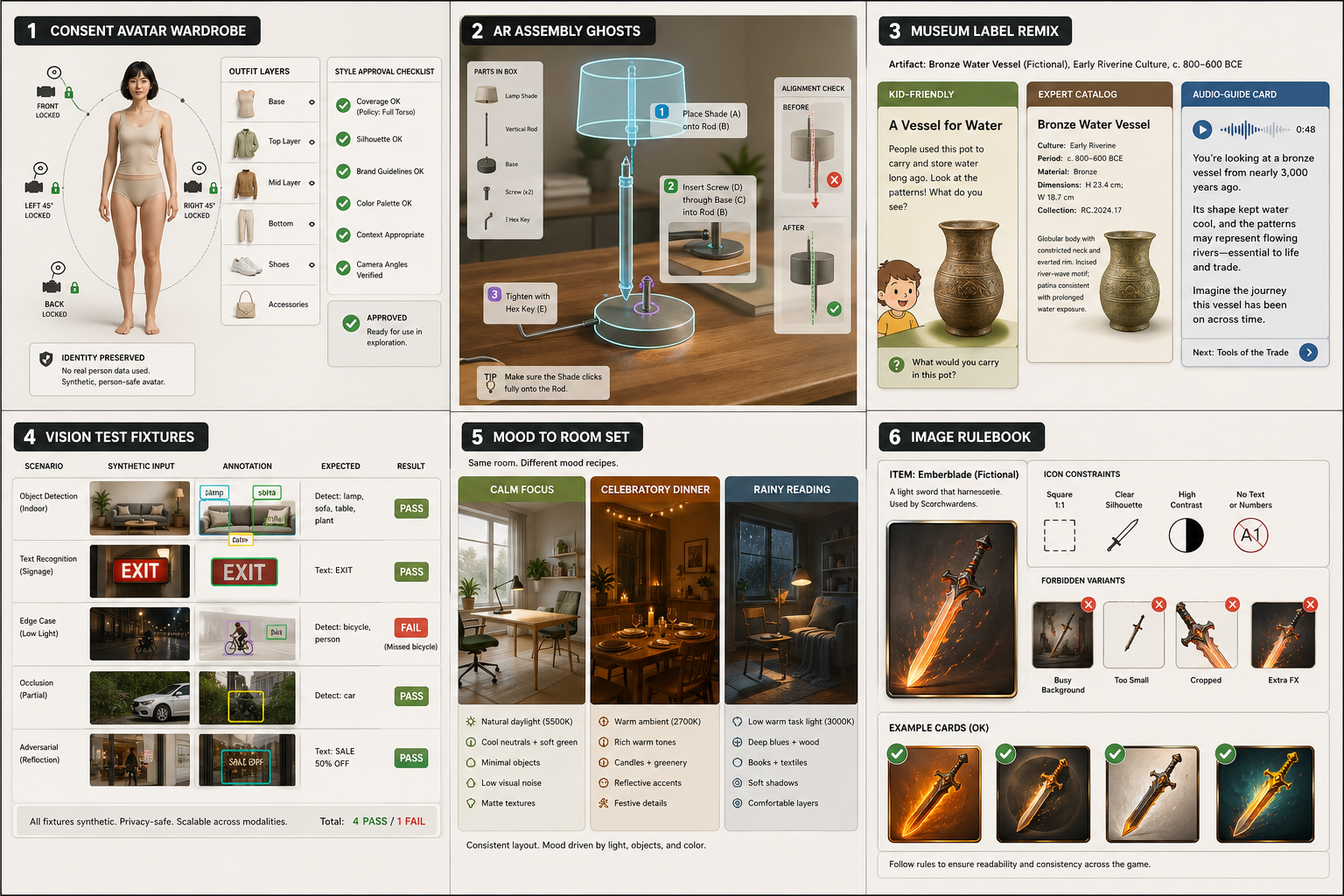
Create a polished GPT Image 2 use-case research board as a single 3:2 landscape image, laid out as a clean 2x3 contact sheet with...